

Nasturtium Vinegar Health Benefits
Nasturtium vinegar, made by infusing the leaves and flowers of Tropaeolum majus in vinegar, is a nutrient-rich preparation known for its potential health-supporting properties. Packed with vitamin C, iron, and antioxidants, it offers antimicrobial, anti-inflammatory, and immune-boosting effects. Studies suggest it may aid respiratory health, urinary tract wellness, and cardiovascular function. Its active compounds, like glucosinolates and benzyl isothiocyanate (BITC), are particularly effective against bacteria, fungi, and inflammation.
Key points:
- Nutritional Value: High in vitamin C, A, D, iron, and antioxidants.
- Antimicrobial Effects: Effective against bacteria (E. coli, Salmonella) and fungi (Candida albicans).
- Health Support: May improve respiratory issues, boost immunity, and support kidney and heart health.
- Preparation: Infuse nasturtium in vinegar for 2–8 weeks for maximum nutrient transfer.
While promising, more clinical research is needed to confirm its full potential. Use cautiously, especially if pregnant, breastfeeding, or prone to kidney stones.
Nasturtium Vinegar Health Benefits and Nutritional Profile
Nutritional and Antioxidant Content
Vitamins and Minerals
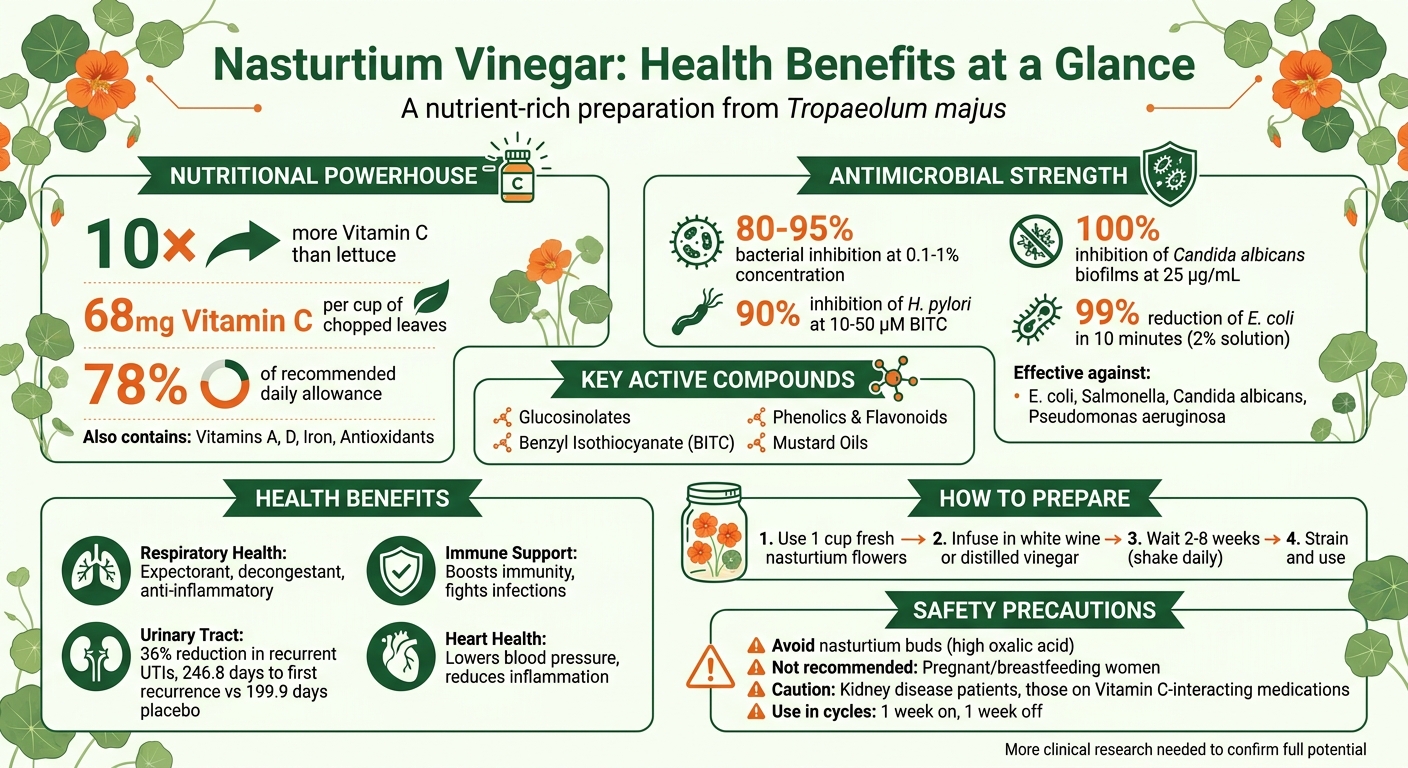
Nasturtium vinegar packs a punch when it comes to nutrients, especially vitamin C. In fact, it contains about 10 times more vitamin C than lettuce, making it a standout for boosting immune health. Suzan Bellincampi, Director of the Felix Neck Wildlife Sanctuary, highlights its impressive benefits:
Herbalists rave about its ability to heal respiratory and urinary tract infections as well as form new blood cells.
But vitamin C isn’t the only star here. Nasturtium vinegar also provides vitamins A and D and iron, all of which play a role in strengthening the immune system and aiding blood cell production. Together, these nutrients help the body fight off bacteria, fungi, and viruses. Combined with its antioxidants, this nutrient profile supports overall cellular function and health.
Antioxidant Activity
The antioxidant power of nasturtium vinegar is another reason it stands out. It’s loaded with phenolics and flavonoids, compounds known for their ability to neutralize harmful free radicals. Studies using DPPH and ABTS testing methods have confirmed its strong antioxidant properties. These antioxidants work to reduce oxidative stress and inflammation, which helps maintain healthy cells.
What adds to its therapeutic value is its rich phytochemical profile, which includes proteins, amino acids, glycosides, and alkaloids. For the best results, fresh nasturtium should be harvested in the morning and infused for two weeks. This process ensures maximum transfer of these beneficial compounds into the vinegar. The final product is a nutrient-packed preparation that combines natural antioxidants with vinegar’s preservative qualities.
sbb-itb-4066b8e
Antimicrobial and Antifungal Effects
Mustard Oils and Glucosinolates
Nasturtium vinegar doesn’t just pack a punch with antioxidants - it also boasts impressive antimicrobial properties. These effects stem from mustard oils and glucosinolates, which transform into bioactive isothiocyanates during fermentation. These compounds interfere with microbial proteins and DNA, effectively halting infections.
Research highlights that nasturtium vinegar can inhibit 80–95% of bacteria like Bacillus subtilis and fungi such as Aspergillus niger at concentrations as low as 0.1–1% v/v. It’s particularly effective against Salmonella typhimurium, where glucosinolate-derived mustard oils reduce bacterial viability by a staggering 4-log CFU/mL within 24 hours. These compounds work by producing reactive sulfur species, which penetrate microbial cell walls and oxidize critical enzymes, ultimately leading to cell death.
Benzyl Isothiocyanate Research
One standout compound in nasturtium is benzyl isothiocyanate (BITC), renowned for its antimicrobial power. A 2018 study in the Journal of Agricultural and Food Chemistry revealed that BITC, at concentrations of 10–50 μM, can inhibit 90% of Helicobacter pylori growth by disrupting urease activity, a key survival mechanism for the bacteria in the stomach. Against multidrug-resistant Pseudomonas aeruginosa, BITC has shown minimum inhibitory concentrations ranging from 16–64 μg/mL.
BITC’s antifungal capabilities are just as impressive. A 2020 study published in Molecules demonstrated that BITC could achieve 100% inhibition of Candida albicans biofilms at just 25 μg/mL, even outperforming fluconazole in strains resistant to the drug. Similarly, it reduced spore germination in Aspergillus flavus by 85% at a concentration of just 15 μM. Practical applications suggest that nasturtium vinegar diluted to 1–5% (v/v) is highly effective; a 2% solution, for instance, can reduce E. coli on surfaces by over 99% in just 10 minutes.
Respiratory and Immune Health
Expectorant and Decongestant Properties
Nasturtium vinegar has long been a go-to remedy for respiratory issues like sore throats and colds. Infusing nasturtium into vinegar amplifies its active compounds, making it a popular choice for easing respiratory discomfort.
Its anti-inflammatory properties work to reduce swelling and congestion in the respiratory system, helping to open airways and support easier breathing during illness. Studies back up these traditional uses, showing that nasturtium can significantly inhibit edema in scientific models. The plant's mix of phenolics, flavonoids, and other phytochemicals plays a role in relieving symptoms tied to respiratory infections. Beyond just soothing respiratory troubles, these compounds also contribute to strengthening the body's immune response.
Immune System Support
Nasturtium vinegar doesn’t just stop at respiratory relief - it also provides a boost to the immune system. Packed with vitamin C, it helps fortify immune defenses, while its phenolics and flavonoids protect cells from oxidative damage. Herbalist Jess Buttermore of Cedar House Living LLC highlights its benefits:
Nasturtium has many beneficial attributes including antibacterial, anti-inflammatory, and immune-boosting properties that are used to naturally support those with sore throats, ear infections, colds...
For those looking to tap into these benefits, experts suggest infusing one cup of nasturtium flowers in vinegar for about two weeks. Adding herbs like rosemary or chives can further enhance its immune-supporting properties.
Urinary Tract Health and Diuretic Effects
UTI Prevention
Nasturtium vinegar's antimicrobial properties extend to supporting urinary tract health. When consumed, nasturtium's glucosinolates are converted into BITC, which is further metabolized into mercapturic acids. These compounds travel to the bladder, where they transform back into their active antibacterial form.
A Phase III clinical trial published in March 2026 highlighted the effectiveness of a herbal treatment containing nasturtium in reducing recurrent UTIs by 36%. In this study, 64.5% of participants remained free of infections after 180 days, compared to 52.3% in the placebo group. Additionally, the average time to the first recurrence was extended to 246.8 days, compared to 199.9 days for the placebo group. The active compounds in nasturtium work by reducing bacterial movement, preventing their adhesion to bladder cells, and breaking down biofilms, all while calming excessive inflammation. Notably, Uropathogenic Escherichia coli (UPEC) was identified as the cause of 70% of the infections analyzed.
Kidney Function and Diuretic Benefits
Beyond its role in UTI prevention, nasturtium also supports kidney function through its diuretic effects. As mercapturic acids are excreted through the kidneys, they not only promote increased urinary flow but also maintain their antimicrobial activity throughout the process.
However, it's important to note that nasturtium buds are high in oxalic acids, which can bind minerals and potentially increase the risk of kidney stones. To avoid this, only the leaves and flowers should be used in infusions. These parts are rich in beneficial nutrients like vitamin C, folate, and antioxidants, without the elevated oxalic acid levels found in the buds.
Cardiovascular and Anti-inflammatory Effects
Heart Health and Blood Pressure
Nasturtium vinegar, known for its nutrient-packed profile, may also support heart health by helping to lower blood pressure. This is largely due to its acetic acid content, which has been shown to influence key regulators of blood pressure, such as renin and ACE (angiotensin-converting enzyme). Animal studies suggest that regular vinegar consumption over 6 to 8 weeks can lead to noticeable reductions in blood pressure.
The mechanism behind this involves the activation of AMPK (AMP-activated protein kinase), which increases the AMP/ATP ratio. This, in turn, boosts the expression of PGC-1α and PPARγ while suppressing AT1R. Dr. Lixin Na from Harbin Medical University explains:
"Vinegar activates AMPK by increasing AMP/ATP ratios, thereby increases PGC-1α and PPARγ expressions, and inhibits AT1R expression in SHRs."
By influencing this pathway, nasturtium vinegar may reduce levels of angiotensin II and aldosterone - hormones that contribute to high blood pressure. It could also support better vasodilation through eNOS (endothelial nitric oxide synthase) upregulation and improve lipid profiles by lowering cholesterol and triacylglycerol levels.
Anti-inflammatory Benefits
Beyond its cardiovascular perks, nasturtium vinegar appears to have anti-inflammatory properties. The bioactive compounds in nasturtium have been shown to inhibit pro-inflammatory cytokines, reducing inflammation and swelling, particularly in cardiovascular-related conditions. Laboratory studies back this up - one study found that a hydroalcoholic extract of Nasturtium officinale, administered at 750 mg/kg, significantly reduced inflammation in a carrageenan-induced hind paw edema model.
Vinegar’s organic acids may also contribute by forming compounds that positively influence gut microbiota, which can help lower systemic inflammation. The DARU Journal of Pharmaceutical Sciences highlights vinegar's broader anti-inflammatory potential:
"Vinegar plays an important role in the prevention and treatment of various inflammatory diseases, including atopic dermatitis, mastitis, asthma, arthritis, acute pancreatitis, and colitis."
These combined cardiovascular and anti-inflammatory effects suggest that incorporating nasturtium vinegar into a balanced diet could be a helpful strategy for managing chronic inflammation and promoting overall heart health.
Research Limitations and Safety
Gaps in Current Research
While nasturtium vinegar shows potential, much of the evidence supporting its benefits comes from traditional practices rather than rigorous scientific studies. Claims about its effectiveness for sore throats, ear infections, or skin conditions like eczema and psoriasis are not backed by extensive clinical trials. Jess Buttermore, Founder of Cedar House Living, highlights these traditional uses:
"Nasturtium has many beneficial attributes including antibacterial, anti-inflammatory, and immune-boosting properties that are used to naturally support those with sore throats, ear infections, colds, skin irritations such as eczema, acne, and psoriasis."
However, there’s no standardized research examining how nasturtium’s nutrients behave when infused into vinegar. Additionally, there’s no clear guidance on therapeutic dosages required to achieve antibacterial or anti-inflammatory benefits. Current studies often focus on culinary aspects - like flavor and color changes - rather than health outcomes. These gaps highlight the need for more in-depth and consistent clinical research.
Until such data becomes available, it’s important to approach these traditional uses of nasturtium vinegar cautiously.
Safety and Precautions
Nasturtium vinegar, despite its potential advantages, requires careful use. One concern is the high oxalic acid content in nasturtium buds, which can bind to minerals like calcium, potentially leading to kidney stones. Celine Beitchman, Director of Nutrition at the Institute of Culinary Education, explains:
"Unlike caper berries, nasturtium buds contain high levels of oxalic acids, which lock in other minerals in foods so that they cannot be digested... compounds are formed that can increase your risk of kidney stones."
Pregnant and breastfeeding women should avoid nasturtium vinegar due to insufficient safety data. Although nasturtium contains about 71mg of Vitamin C per 100g - providing around 78% of the recommended daily allowance - individuals taking medications that interact with high doses of Vitamin C should consult their healthcare provider before use. For those with kidney disease, moderation is essential, even though nasturtium has historically been used for renal health.
To minimize risks, consider using nasturtium products in short cycles, such as one week on and one week off, to avoid potential toxic buildup. With mindful use, nasturtium vinegar can be a thoughtful addition to your routine while balancing its potential benefits with safety considerations.
Nasturtium Vinegar
Conclusion
Nasturtium vinegar blends age-old practices with modern insights to offer a range of health perks. Research highlights its glucosinolate-derived isothiocyanates, which are effective against pathogens like Staphylococcus aureus and E. coli, while also easing bronchitis-related coughing.
Its nutritional value is equally impressive. For instance, just one cup of chopped nasturtium leaves contains up to 68 milligrams of Vitamin C - outperforming oranges ounce for ounce. Alongside Vitamin A, anthocyanins, and carotenoids, these nutrients play a role in reducing oxidative stress throughout the body.
On top of that, nasturtium vinegar supports cardiovascular health and urinary tract function. Its diuretic and antioxidant properties contribute to healthy kidney function and help regulate blood pressure.
Making nasturtium vinegar at home is simple. Infuse 1 cup of fresh nasturtium flowers in white wine or distilled vinegar for two weeks, shaking the jar daily. The resulting vibrant orange vinegar not only adds a peppery twist to salad dressings and marinades but also packs a punch of health-boosting nutrients.
FAQs
How much nasturtium vinegar should I take daily?
While there isn't specific guidance available for using nasturtium vinegar, nasturtium tincture is typically recommended at a dosage of 1–2 droppersful, taken 2–3 times daily. It's always best to consult a healthcare professional to get personalized advice before incorporating nasturtium vinegar into your routine.
Can nasturtium vinegar help prevent UTIs?
Nasturtium vinegar might offer some help in preventing UTIs. Studies have explored the nasturtium herb for its role in managing recurrent uncomplicated cystitis - a frequent type of UTI. Clinical trials have examined its safety and effectiveness, showing promising results. Although further research is necessary, these insights point to its potential usefulness.
Who should avoid nasturtium vinegar?
Individuals dealing with stomach or intestinal ulcers should steer clear of nasturtium vinegar. Its use can potentially cause stomach discomfort or other unpleasant side effects.