

Olive Oil Compounds and Atherosclerosis Prevention
Olive oil, specifically Extra Virgin Olive Oil (EVOO), plays a key role in preventing atherosclerosis - a condition where plaque builds up in arteries, increasing the risk of heart disease and stroke. Here's why it matters:
- Atherosclerosis Overview: This condition starts with endothelial dysfunction, leading to inflammation, oxidative stress, and plaque buildup in arteries. It can result in life-threatening cardiovascular events like heart attacks.
- Why Olive Oil? EVOO contains powerful bioactive compounds such as polyphenols (hydroxytyrosol, oleuropein, and tyrosol), vitamin E, and polar lipids. These components reduce inflammation, prevent LDL cholesterol oxidation, and improve blood vessel function.
-
Proven Benefits:
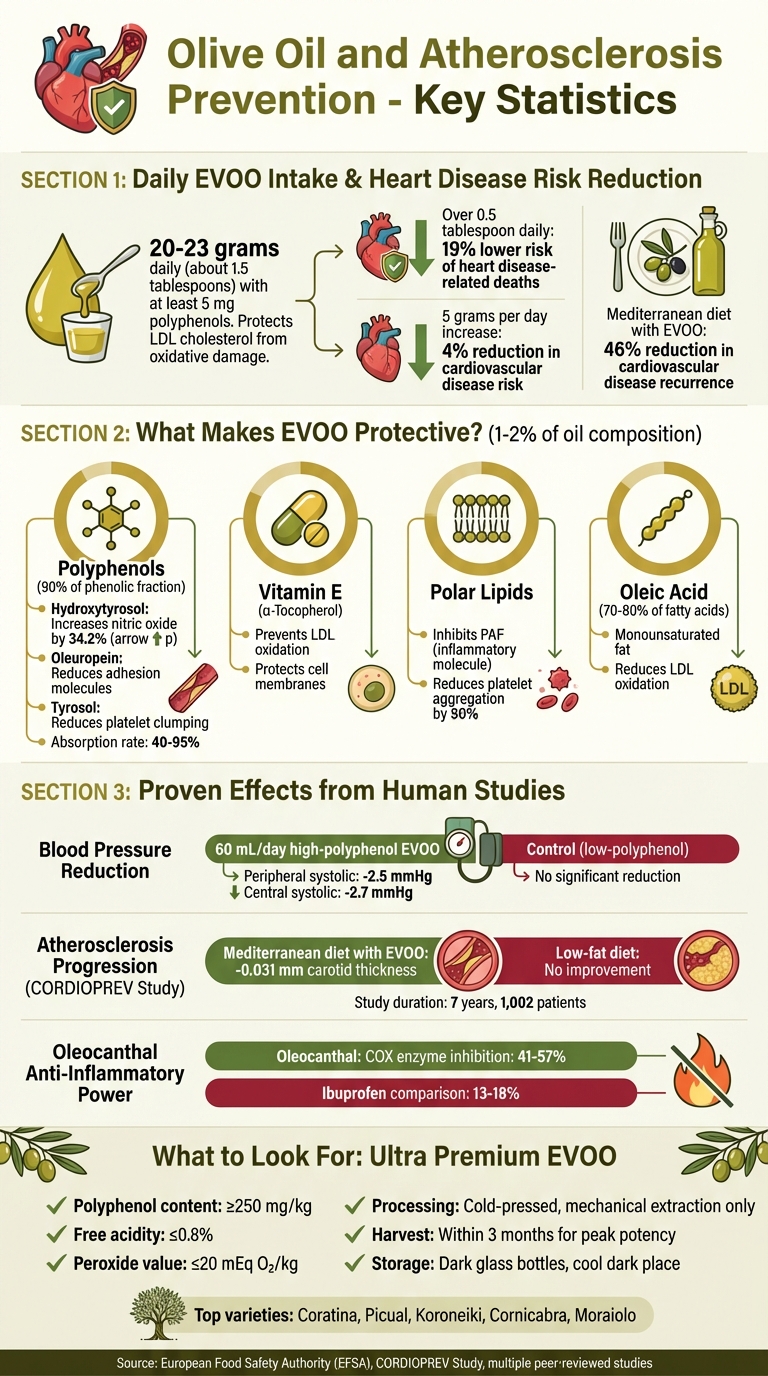
- Just 20 grams of EVOO daily, with at least 5 mg of polyphenols, protects LDL cholesterol from oxidative damage.
- Consuming over half a tablespoon daily is linked to a 19% lower risk of heart disease-related deaths.
- A Mediterranean diet rich in EVOO reduces cardiovascular disease recurrence by up to 46%.
-
Research Highlights:
- Lab studies show EVOO compounds improve endothelial function and reduce inflammatory markers.
- Animal studies demonstrate reduced plaque formation and improved lipid profiles.
- Human trials confirm EVOO lowers blood pressure, improves artery health, and slows atherosclerosis progression.
Key Takeaway: Incorporating 20–30 grams of high-quality EVOO into your daily diet can support heart health, reduce inflammation, and mitigate the risks of atherosclerosis. Look for Ultra Premium EVOO with high polyphenol content (250 mg/kg or more) for maximum benefits.
How to Use EVOO:
- Drizzle over salads, vegetables, or soups.
- Use as a dip for bread or a butter substitute in cooking.
- Store in a cool, dark place and choose dark glass bottles to preserve its nutrients.
Investing in EVOO isn't just a dietary choice - it's a simple, science-backed way to protect your heart.
Olive Oil Heart Health Benefits: Key Statistics and Bioactive Compounds
Does Olive Oil Help Your Arteries? What New Research Really Shows | The Artery Report
Bioactive Compounds in Olive Oil That Prevent Atherosclerosis
Extra Virgin Olive Oil (EVOO) is packed with bioactive compounds that work together to protect your arteries. Though these compounds make up just 1% to 2% of the oil, their impact is huge. This small fraction includes over 30 phenolic compounds, vitamin E, and polar lipids - all of which actively fight the processes that lead to atherosclerosis. These components reduce oxidative stress, calm inflammation, and block the chain reactions that cause plaque buildup.
Polyphenols: Hydroxytyrosol, Oleuropein, and Tyrosol
Polyphenols dominate the phenolic fraction in EVOO, making up about 90% of it. Among them, hydroxytyrosol, oleuropein, and tyrosol are the stars.
- Hydroxytyrosol is the most abundant phenolic compound in EVOO. It neutralizes harmful reactive oxygen species, like superoxide anions and hydrogen peroxide, while also improving cholesterol metabolism through the ABCA1 pathway. Animal studies have shown that a daily dose of 100 mg/kg of hydroxytyrosol can boost vascular nitric oxide release by 34.2%, which helps blood vessels relax and function better.
- Oleuropein takes a different approach. It binds to metal ions like Cu2+ and Fe3+, preventing them from triggering free radical reactions. Additionally, it inhibits inflammatory enzymes and reduces the expression of adhesion molecules (VCAM-1 and ICAM-1), which play a role in immune cells sticking to damaged blood vessels.
- Tyrosol works as a strong inhibitor of Platelet-Activating Factor (PAF), reducing platelet clumping and local inflammation that contribute to plaque formation.
The European Food Safety Authority has officially recognized the benefits of these polyphenols. Consuming just 20 grams of olive oil daily, with at least 5 mg of hydroxytyrosol and its derivatives, helps protect LDL cholesterol from oxidative damage. Even better, these compounds are highly absorbable - humans can absorb between 40% and 95% of olive oil phenolics like hydroxytyrosol and tyrosol.
Vitamin E (α-Tocopherol)
Vitamin E, specifically α-tocopherol, plays a critical role in preventing lipid peroxidation in cell membranes and lipoproteins. This antioxidant shields LDL cholesterol from oxidative damage and works alongside polyphenols and polar lipids to fight atherosclerosis. Unlike water-soluble antioxidants, α-tocopherol embeds itself in the fatty layers of cell membranes and lipoproteins, targeting oxidative damage at its source. While its concentration in olive oil is relatively low - less than 0.2 grams per kilogram - it still provides significant protection.
Polar Lipids and PAF Inhibition
Polar lipids, particularly glyceryl-ether glycolipids, are another key player in EVOO. They directly inhibit PAF, a powerful inflammatory molecule that triggers rapid responses in blood vessels. Without control, PAF can activate platelets and white blood cells, leading to endothelial dysfunction and increased permeability to harmful substances. By blocking PAF, polar lipids reduce platelet aggregation and stop the inflammatory chain reaction that leads to plaque buildup.
"The anti-atherogenic effect of OO is attributed to the synergistic action of its microconstituents, mainly polar lipids that act as PAF inhibitors, specific polyphenols and α-tocopherol that also exert anti-PAF activity." - Smaragdi Antonopoulou, Laboratory of Biology, Biochemistry and Microbiology
What makes EVOO stand out from other sources of monounsaturated fats is its processing. Unlike refined seed oils, which lose these critical polar lipids during production, EVOO is made through mechanical pressing without heat or chemicals. This process preserves its protective compounds, making it uniquely effective at preventing atherosclerosis through multiple pathways. Choosing high-quality EVOO is essential for maintaining heart health.
Research on Olive Oil and Atherosclerosis Prevention
Studies spanning cell research, animal experiments, and human trials consistently highlight olive oil's role in protecting against atherosclerosis. From isolated cell cultures to large-scale human studies, the evidence points to olive oil's ability to support heart health and combat arterial plaque formation.
Laboratory Studies on Endothelial Function
In lab experiments, olive oil compounds have demonstrated protective effects on blood vessel linings. For instance, when human aortic endothelial cells were exposed to hydroxytyrosol and its metabolites, there was a significant reduction in adhesion molecules like E-selectin, P-selectin, ICAM-1, and VCAM-1. These molecules are responsible for enabling immune cells to stick to vessel walls, a key step in plaque buildup.
Polyphenols in olive oil also boost nitric oxide production by enhancing eNOS expression while suppressing NF-kB, a major inflammatory trigger that activates cytokines like IL-1 and IL-6. Nitric oxide plays a crucial role in relaxing and expanding blood vessels, ensuring smooth blood flow.
Oleocanthal, the compound responsible for the peppery sensation in extra virgin olive oil (EVOO), has been shown to inhibit COX enzymes by 41–57%, outperforming ibuprofen's 13–18% inhibition. This anti-inflammatory effect directly targets vascular tissues.
"Olive oil bioactive compounds exhibited a potent capability to attenuate oxidative stress and improve endothelial function through their anti-inflammatory, anti-oxidant, and anti-thrombotic properties, therefore reducing the risk and progression of atherosclerosis." - Volha Summerhill et al.
These findings provide a strong foundation for further exploration in animal studies.
Animal Studies: EVOO's Effects on Atherosclerosis Markers
Animal models have further validated olive oil's impact on markers of atherosclerosis. In studies using ApoE-deficient mice, a 12-week treatment with 10 mg/kg/day of hydroxytyrosol derivatives reduced vascular adhesion molecules that contribute to early plaque formation. This treatment also lowered levels of monocyte chemotactic protein-1 (MCP-1), which attracts inflammatory cells to damaged vessels.
In Wistar rats, olive leaf extracts rich in oleuropein and hydroxytyrosol significantly improved lipid profiles by lowering cholesterol, triglycerides, and LDL levels while increasing HDL. When comparing dietary fats, mice fed EVOO showed reduced inflammatory markers and improved gut health.
The cardiovascular benefits were particularly striking. A daily dose of 100 mg/kg of hydroxytyrosol cut platelet aggregation by 50% and boosted nitric oxide release by 34.2%. EVOO also reduced cardiac stress markers like lactate dehydrogenase (LDH), creatine kinase-MB (CK-MB), and cardiac troponins in models of heart injury.
| Marker Category | Specific Marker | Effect of EVOO/Phenols |
|---|---|---|
| Adhesion Molecules | VCAM-1, ICAM-1, E-selectin | Downregulated |
| Lipid Profile | LDL Cholesterol, Triglycerides | Decreased |
| Lipid Profile | HDL Cholesterol | Increased |
| Vascular Function | Nitric Oxide (NO) Bioavailability | Increased |
| Inflammation | MCP-1, TNF-α, IL-6 | Reduced |
These preclinical results laid the groundwork for testing olive oil's effects in humans.
Human Studies and Clinical Trials
Human trials have reinforced the heart-health benefits of olive oil. The CORDIOPREV study, conducted from 2009 to 2012 in Spain, involved 1,002 patients with coronary heart disease. Participants followed either a Mediterranean diet (35% fat with 22% from EVOO) or a low-fat diet (28% fat, 12% MUFA). Over seven years, the Mediterranean diet group experienced a 0.031 mm reduction in carotid intima-media thickness and decreased plaque height, while the low-fat group showed no improvements.
"Long-term consumption of a Mediterranean diet rich in extravirgin olive oil, if compared to a low-fat diet, was associated with decreased atherosclerosis progression." - CORDIOPREV Study Authors
Other trials have shown that consuming 60 mL/day of high-polyphenol olive oil (360 mg/kg) lowered peripheral systolic blood pressure by 2.5 mmHg and central systolic blood pressure by 2.7 mmHg. EVOO also improved flow-mediated dilation (FMD) in individuals with pre-diabetes or type 2 diabetes. A study involving 4,330 participants found that those in the highest 20% of olive oil consumption had a healthier Ankle-Brachial Index, indicating a lower risk of peripheral artery disease.
For optimal cardiovascular benefits, daily consumption of 20–30 grams of olive oil is recommended. To meet the European Food Safety Authority's health claim, olive oil must contain at least 5 mg of hydroxytyrosol and its derivatives per 20 grams. High-polyphenol olive oils, with phenolic content of at least 250 mg/kg, offer the strongest antioxidant and anti-inflammatory effects.
sbb-itb-4066b8e
Selecting Olive Oil for Heart Health
Research highlights that choosing and handling extra virgin olive oil (EVOO) is just as important as its natural health-promoting properties.
Why Ultra Premium EVOO Matters
Ultra Premium EVOO stands out for its ability to support heart health. It contains higher levels of polyphenols and antioxidants, which are known to help prevent atherosclerosis. To meet the European Food Safety Authority's (EFSA) health claim, EVOO must contain a minimum polyphenol concentration of 250 mg per kilogram. This ensures the oil delivers the protective benefits attributed to these compounds.
Quality matters, too. Ultra Premium EVOO should have a free acidity of ≤0.8% and a peroxide value of ≤20 mEq O₂/kg. Low acidity indicates the olives were healthy and processed under ideal conditions. The method of extraction is crucial as well - only mechanical pressing without heat or solvents preserves the delicate nutrients. Additionally, certain olive varieties are naturally richer in heart-healthy compounds. Examples include Coratina from Italy, Picual and Cornicabra from Spain, Koroneiki from Greece, and Moraiolo from Italy.
How Freshness Affects Olive Oil's Potency
Freshness is a key factor in maintaining the cardiovascular benefits of EVOO. Polyphenols and secoiridoids, which contribute to its potency, degrade quickly when exposed to light, air, and heat. The best oils come from olives harvested at their optimal ripeness - between the green and purple stages - and cold-pressed immediately to retain their bioactive compounds.
"The final composition of virgin olive oils is the result of numerous variables, such as cultivar, the agriculture, time of harvesting, the refining process, the extraction, storage and packaging conditions." – Volha Summerhill et al., Institute for Atherosclerosis Research
Always check the harvest date on the bottle. The bioactive compounds are most effective within the first few months after harvest. To preserve these benefits, store EVOO in a cool, dark place and choose products in dark glass bottles or tins that block light. Avoid oils labeled "light" or "refined", as these have been chemically processed, stripping them of their beneficial properties.
Selecting a fresh product is essential for maintaining the health benefits of EVOO.
Big Horn Olive Oil's Ultra Premium EVOO Products
Big Horn Olive Oil takes quality and freshness seriously, offering products designed to maximize heart health benefits. Their oils are cold-pressed within two hours of harvest and reach consumers within three months, ensuring peak polyphenol levels. The company offers single-source varieties like Picual and Coratina, both known for their naturally high concentrations of heart-protective compounds.
Using mechanical extraction, Big Horn Olive Oil preserves the critical 1–2% unsaponifiable fraction, which is rich in polyphenols, vitamins, and squalene. Their packaging blocks light and oxygen, safeguarding the compounds that help reduce inflammation, improve blood vessel function, and prevent plaque buildup in arteries. Starting at $8.99, these oils offer an affordable way to support your heart health with a daily intake of 20–23 grams of EVOO.
Conclusion
Key Points on Olive Oil and Atherosclerosis Prevention
Extra virgin olive oil (EVOO) is packed with bioactive compounds that work together to protect your heart. Polyphenols like hydroxytyrosol and oleuropein help prevent LDL cholesterol from oxidizing and reduce inflammation by blocking adhesion molecules (VCAM-1 and ICAM-1), which would otherwise encourage immune cells to stick to artery walls. Oleic acid, making up 70% to 80% of EVOO's fatty acids, replaces harmful saturated fats and makes LDL particles less prone to oxidative damage. Additionally, polar lipids in EVOO act as inhibitors of Platelet-Activating Factor (PAF), reducing the chances of blood clots and the early development of atherosclerosis.
Studies highlight the benefits of daily consumption: over half a tablespoon of EVOO is linked to a 19% lower risk of death from heart disease. Adding just 5 grams per day reduces the risk by 4%, while replacing common fats with EVOO lowers the risk by 5–7%.
"The anti-atherogenic effect of OO is attributed to the synergistic action of its microconstituents, mainly polar lipids that act as PAF inhibitors, specific polyphenols and α-tocopherol that also exert anti-PAF activity."
- Smaragdi Antonopoulou, Laboratory of Biology, Biochemistry and Microbiology, Harokopio University
These findings provide clear guidance on how to incorporate EVOO into daily life.
How to Use EVOO Daily
To achieve EFSA-validated heart health benefits, aim for 20–23 grams of EVOO daily. Drizzle it over salads, roasted vegetables, or soups. Use it as a salad dressing, a dip for bread, or a replacement for butter or margarine in cooking. By making these small, evidence-backed changes, you can actively promote cardiovascular health.
Big Horn Olive Oil offers Ultra Premium EVOO varieties like Picual and Coratina, cold-pressed within two hours of harvest and delivered within three months to ensure peak freshness and potency. At $8.99 per bottle, it’s an accessible way to support your heart health every day.
FAQs
How does olive oil help protect against atherosclerosis?
Olive oil plays an important role in safeguarding against atherosclerosis by addressing oxidative stress and inflammation - two key factors that contribute to damage in blood vessel linings. Packed with antioxidants and healthy fats, olive oil helps support vascular health and reduces the risk of plaque buildup in arteries.
The anti-inflammatory benefits and protective effects of olive oil, especially when using high-quality varieties like Ultra Premium Extra Virgin Olive Oil (EVOO), make it a valuable addition to a heart-healthy lifestyle. Including it regularly in a well-rounded diet can help lower the chances of developing atherosclerosis over time.
What compounds in extra virgin olive oil support heart health?
Extra virgin olive oil is packed with compounds that are great for your heart, such as oleic acid and polyphenols like hydroxytyrosol, oleuropein, and tyrosol. These substances offer a range of benefits, including anti-inflammatory, antioxidant, and blood vessel-protecting effects. Together, they help lower inflammation, safeguard your blood vessels, and contribute to better cardiovascular health.
Adding high-quality extra virgin olive oil - like Ultra Premium EVOO from reliable producers - to your meals can be a simple yet effective way to support your heart.
What’s the best way to add Extra Virgin Olive Oil to my diet for heart health?
Incorporating Extra Virgin Olive Oil (EVOO) into your daily meals is a straightforward way to support heart health. Studies recommend aiming for about 2 tablespoons per day to help lower LDL (bad) cholesterol, increase HDL (good) cholesterol, and ease inflammation - all of which contribute to better cardiovascular health.
You can use EVOO as a versatile fat for cooking or as a flavorful addition to your dishes. Drizzle it over salads, roasted veggies, or whole grains, or enjoy it as a dip with whole-grain bread. Opt for high-quality EVOO with a high phenol content for its strong antioxidant properties, which can help protect blood vessels and reduce oxidative stress. When paired with a balanced diet rich in fruits, vegetables, and whole grains, EVOO can play a key role in lowering the risk of heart disease while promoting overall well-being.