

Polyphenols in Olive Oil: Health Benefits Explained
Polyphenols in extra virgin olive oil are powerful compounds that protect your health. These antioxidants and anti-inflammatory agents help fight free radicals, reduce inflammation, and lower the risk of heart disease, diabetes, and cognitive decline. High-polyphenol olive oil is made through minimal processing, preserving compounds like hydroxytyrosol, oleuropein, and oleocanthal, which contribute to its health advantages.
Key Takeaways:
- What are Polyphenols? Natural antioxidants in olive oil that protect cells and reduce inflammation.
- Health Benefits: Lower risk of heart disease, better blood sugar control, improved brain health, and stronger bones.
- How to Choose Olive Oil: Look for extra virgin olive oil (EVOO) with a recent harvest date, stored in dark glass bottles, and a peppery/bitter taste indicating high polyphenol content.
- Usage Tips: Store in a cool, dark place, use within 2–3 months of opening, and consume 1–4 tablespoons daily for maximum benefits.
Switching to high-quality EVOO in your diet is a simple way to support long-term wellness.
Olive oil: How to unlock health benefits | Prof. Tim Spector & Elizabeth Berger
What Are Polyphenols in Olive Oil?
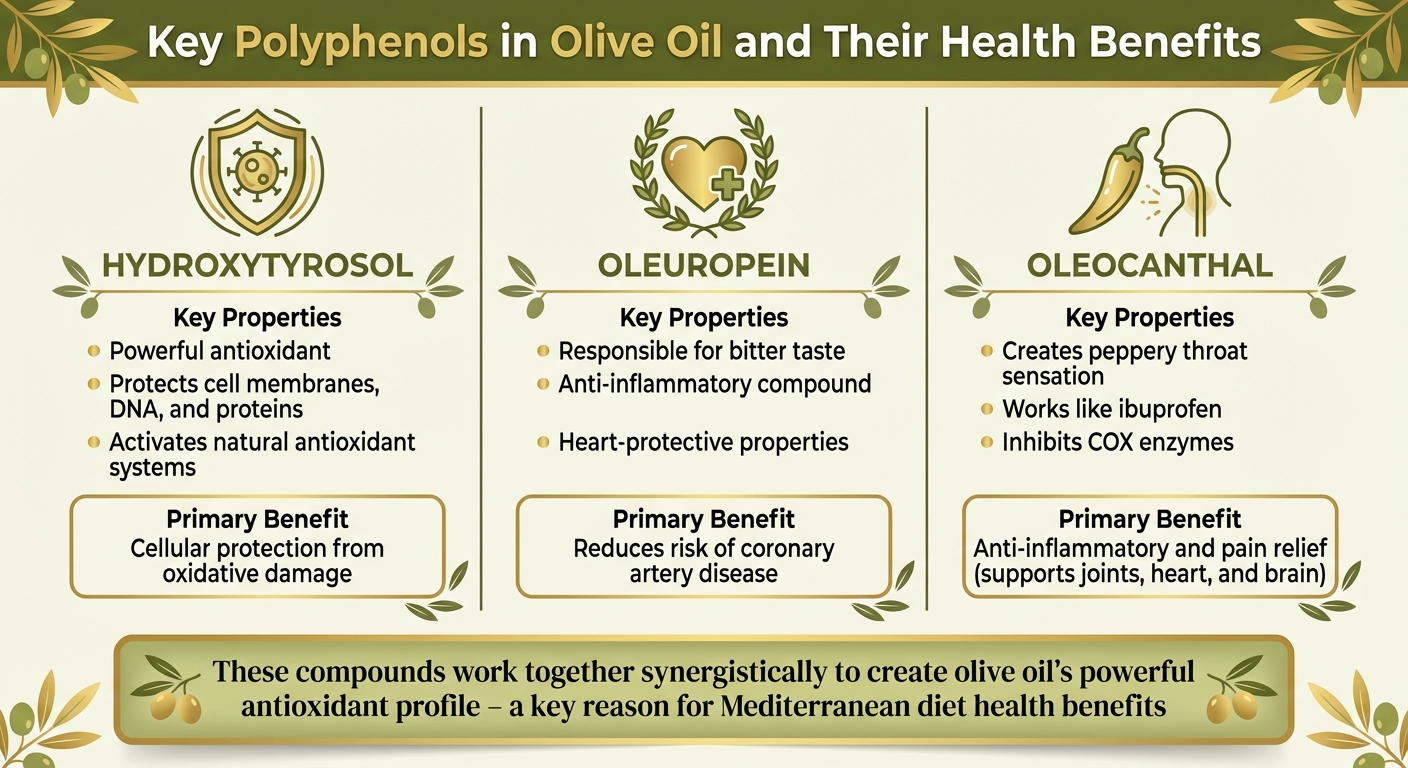
Key Polyphenols in Olive Oil and Their Health Benefits
Understanding Polyphenols and Their Function
Polyphenols are natural compounds found in plants, known for their antioxidant and anti-inflammatory properties. In extra virgin olive oil, these compounds help counteract reactive oxygen species, reducing oxidative stress - a key factor linked to chronic conditions like heart disease and certain cancers.
The high polyphenol content in extra virgin olive oil is preserved through gentle mechanical extraction methods. Olives produce these compounds as a defense mechanism against pests, UV light, and environmental challenges. During cold pressing, many of these water-soluble compounds transfer into the oil and remain intact due to the minimal processing involved. On the other hand, refined olive oils - often labeled "pure" or "light" - lose most of these beneficial compounds during high-heat and chemical processing, which diminishes their health benefits.
Next, let’s explore the specific polyphenols responsible for these effects.
Key Polyphenols Found in Olive Oil
Some of the most important polyphenols in extra virgin olive oil include hydroxytyrosol, oleuropein, and oleocanthal.
- Hydroxytyrosol: This powerful antioxidant protects cell membranes, DNA, and proteins from oxidative damage. It also activates the body’s natural antioxidant systems.
- Oleuropein: Known for its bitter taste, this compound has anti-inflammatory and heart-protective properties, potentially reducing the risk of coronary artery disease.
- Oleocanthal: Responsible for the peppery sensation in the throat, oleocanthal acts like ibuprofen by inhibiting COX enzymes. This provides anti-inflammatory and pain-relieving effects, which may support joint health, cardiovascular function, and brain health.
These, along with other compounds like tyrosol and lignans, work together to create a strong antioxidant profile. This synergy is a key reason why the Mediterranean diet is associated with so many health benefits.
Now, let’s look at what influences the polyphenol content in olive oil.
What Affects Polyphenol Levels in Olive Oil
Several factors determine the amount of polyphenols in olive oil.
- Olive Variety and Harvest Timing: Certain Greek and Spanish olive varieties naturally have higher polyphenol levels. Early-harvest olives, which are picked while still green, contain more oleuropein and related compounds compared to fully ripe black olives. However, this also results in a more bitter flavor profile.
- Processing Methods: Cold pressing, which keeps temperatures below 80°F, helps preserve polyphenols. In contrast, excessive heat, prolonged malaxation, or exposure to oxygen during processing can lead to significant phenolic loss.
- Storage Conditions: Light, heat, and oxygen degrade polyphenols over time. To maintain their levels, it’s best to store olive oil in dark glass bottles, keep it in a cool place away from heat sources, and use it within 12–18 months of harvest. Specialty retailers like Big Horn Olive Oil prioritize freshness and quick turnover, making it easier for U.S. consumers to find oils with higher polyphenol concentrations.
Health Benefits of Polyphenols in Olive Oil
Antioxidant and Anti-Inflammatory Properties
Polyphenols in olive oil play a key role in protecting the body by neutralizing free radicals and reactive oxygen species, which can harm cells. One standout compound, hydroxytyrosol, not only scavenges these harmful molecules but also activates the body’s natural antioxidant defenses. This dual action shields cells from oxidative stress, a major contributor to chronic diseases like heart disease and cancer.
On the anti-inflammatory front, olive oil shines as well. Oleocanthal, for instance, works similarly to ibuprofen by blocking COX enzymes that trigger inflammation and pain. Meanwhile, oleuropein and tyrosol help lower pro-inflammatory markers and inhibit enzymes like lipoxygenase, which are involved in inflammatory processes. Together, these compounds help combat chronic inflammation, which is often linked to conditions such as arthritis, diabetes, and even some cancers.
These combined antioxidant and anti-inflammatory effects provide a strong foundation for better heart and metabolic health.
Heart Health and Metabolic Function
The benefits of olive oil polyphenols extend to cardiovascular health, thanks to their ability to reduce LDL cholesterol oxidation, lower blood pressure, and minimize the risk of atherosclerosis. These actions directly support healthier arteries and overall heart function.
In addition to heart health, polyphenols contribute to better metabolic function. They improve blood sugar regulation, lowering the risk of type 2 diabetes. By reducing markers of inflammation like C-reactive protein and promoting healthier lipid profiles, these compounds help enhance overall metabolic well-being.
Brain, Bone, and Immune System Benefits
Polyphenols like oleocanthal have the ability to cross the blood-brain barrier, reducing inflammation and oxidative damage that can lead to cognitive decline. In one study focused on the Mediterranean diet, participants consuming extra virgin olive oil experienced improved memory and overall brain function over 6.5 years compared to those on a low-fat diet. This improvement translated to a 29% lower risk of death from brain-related diseases, including Alzheimer’s.
For bone health, the benefits are just as impressive. A study involving 870 older adults found that those who consumed the most extra virgin olive oil were 51% less likely to suffer fractures tied to osteoporosis. Additionally, polyphenols enhance T-cell activity, bolstering the immune system’s ability to fight off microbial threats. They also offer anti-allergy benefits and help regulate immune responses in chronic inflammatory conditions.
sbb-itb-4066b8e
Polyphenols and Mediterranean Medicine
Olive oil has long been celebrated for its health benefits, but its role in medicine dates back centuries in Mediterranean cultures.
Historical Uses of Olive Oil in Medicine
In ancient Mediterranean and Middle Eastern societies, olive oil was a go-to remedy for a variety of ailments. It was taken internally to aid digestion and applied externally to treat wounds, burns, and infections. Often, it was combined with wine or herbs to enhance its healing properties and boost vitality. The Hippocratic texts, written around 400 BCE, list olive oil as a treatment for over 60 conditions, ranging from skin disorders and ear infections to musculoskeletal pain and wounds.
Both Hippocrates and Galen recommended olive oil mixed with herbs like myrrh and thyme for cleaning wounds, soothing burns, and relieving joint pain. In traditional Middle Eastern practices, olive oil was massaged onto the abdomen to support digestion or applied to the chest during respiratory illnesses, as it was believed to "soften" tissues and aid recovery. Similarly, Dioscorides praised olive oil for its ability to ease stomach discomfort, heal wounds, and alleviate earaches.
What’s fascinating is how modern research into olive oil polyphenols has validated many of these traditional uses. This deep-rooted medicinal history has undoubtedly contributed to the Mediterranean diet's modern acclaim for promoting health and longevity.
The Mediterranean Diet and Health Outcomes
The historical reliance on olive oil as a healing agent is reflected in the Mediterranean diet, where its polyphenol-rich composition plays a key role in delivering health benefits. In regions like southern Italy, Greece, and parts of Spain, extra virgin olive oil (EVOO) is the primary fat used in cooking. It’s generously drizzled over salads, vegetables, and legumes, and often used to finish dishes instead of butter or lard. On average, people in these areas consume 2–4 tablespoons (25–60 mL) daily, mainly through home-cooked meals.
This dietary pattern combines EVOO with whole grains, beans, vegetables, fruits, nuts, and fish, creating a nutrient-dense mix of unsaturated fats and plant-based polyphenols. Together, these elements promote heart health and improve metabolic function.
Large-scale studies, such as the PREDIMED trial, underline the benefits of this approach. A Mediterranean diet rich in EVOO has been shown to significantly lower the risk of chronic illnesses, including cardiovascular disease, cancer, respiratory conditions, and neurodegenerative disorders. These findings highlight how the traditional use of olive oil as a dietary staple translates into better overall health and longer life expectancy.
How to Choose and Use High-Polyphenol Olive Oil
Identifying High-Polyphenol Olive Oil
If you're looking to enjoy the health perks of extra virgin olive oil (EVOO), it’s essential to select one rich in polyphenols. Here’s what to look for:
Start with the label. Make sure it says "extra virgin olive oil", as only EVOO maintains meaningful levels of polyphenols. Check for a harvest date instead of just a "best by" date. Oils harvested within the past 12–18 months generally have the highest polyphenol content. Some premium producers even include the polyphenol content in mg/kg - anything over 300 mg/kg is considered high, while some ultra-premium oils can exceed 500–700 mg/kg.
Your taste buds and nose can also guide you. High-polyphenol EVOO often has a bitter, peppery kick that might even tickle your throat. That sensation comes from oleocanthal, one of the key phenolic compounds. Look for fresh, vibrant aromas like cut grass, green tomato, artichoke, or herbs, which signal oils made from early-harvest olives rich in polyphenols. If the oil tastes dull, greasy, or stale, it’s likely oxidized and has lost much of its beneficial properties.
When shopping, specialty retailers like Big Horn Olive Oil (https://bhooc.com) are worth considering. They ensure fresh, high-polyphenol oils by shipping bottles within 1–3 months of harvest and selecting only the top 5% of harvests. Their oils also feature smoke points of 410°F or higher, an indicator of quality. Certifications like COOC (California Olive Oil Council) or PDO/PGI (EU) add extra assurance that the oil meets strict chemical and sensory standards.
Once you've chosen your high-polyphenol EVOO, how you store it matters just as much.
Proper Storage to Preserve Polyphenols
Polyphenols are sensitive to light, heat, oxygen, and time. To keep your EVOO fresh and potent, always store it in dark glass bottles or opaque containers - never clear bottles left on a sunny countertop. Place the bottle in a cool, dark spot, ideally between 55–70°F (14–21°C), and avoid storing it near or above the stove.
After each use, seal the bottle tightly to limit exposure to oxygen. Once opened, aim to use the oil within 2–3 months for peak polyphenol levels. Even unopened, EVOO is best consumed within 12–18 months of harvest, rather than relying on the "best by" date. For example, Big Horn Olive Oil recommends using their oils within 9 months of the crush date for the best flavor and health benefits, following guidance from The UC Davis Olive Center.
Cooking and Serving Methods
Proper storage ensures your EVOO retains its polyphenols, but how you use it in the kitchen is just as important.
High-quality EVOO holds up well under low- to medium-heat cooking. With smoke points of 410°F or higher, Big Horn Olive Oil’s products are great for sautéing, roasting, and pan-frying at moderate temperatures. Gentle cooking methods, like sautéing vegetables at 250–320°F or low-temperature roasting, help preserve more polyphenols compared to high-heat frying.
For maximum health benefits, use EVOO as a finishing oil. Drizzle it over cooked dishes, grilled meats, pasta, or vegetables just before serving to enjoy its full flavor and phenolic content. You can also swap butter for EVOO on toast or eggs at breakfast, mix it into a quick vinaigrette (2 tablespoons EVOO with 1 tablespoon vinegar) for lunch, or drizzle it raw over roasted veggies or grilled fish at dinner. Many Mediterranean dishes combine moderate-heat cooking with a fresh drizzle to maintain the oil’s beneficial compounds.
Studies suggest consuming 1–4 tablespoons (15–60 mL) per day - about 1 tablespoon per meal - to reap EVOO’s health benefits. According to the European Food Safety Authority, just 1.5 tablespoons daily of high-phenolic EVOO provides at least 5 mg of hydroxytyrosol and related compounds, meeting the threshold for its health claims.
Conclusion
Polyphenols are the key compounds that elevate extra virgin olive oil (EVOO) from a simple cooking fat to a health-boosting powerhouse. These antioxidants - such as hydroxytyrosol, oleuropein, tyrosol, and oleocanthal - help neutralize free radicals and reduce inflammation, offering protection to important structures like blood vessels and brain cells. Research consistently highlights these benefits, linking EVOO to lower risks of cardiovascular disease, cancer-related deaths, and neurodegenerative disorders. While Mediterranean cultures have long celebrated olive oil for its health benefits, modern studies continue to confirm these traditional beliefs.
To fully enjoy these benefits, it’s crucial to choose high-quality oil. Look for EVOO with a high polyphenol content, a recent harvest date, and store it in a cool, dark place. For maximum freshness, aim to use it within 2–3 months of opening. Incorporating just 1–2 tablespoons of EVOO daily can support heart health and help reduce inflammation.
Big Horn Olive Oil offers ultra-premium EVOO packed with antioxidant-rich biophenols and a smoke point of 410°F or higher. Adding this kind of premium, polyphenol-rich oil to your diet not only enhances flavor but also supports long-term health.
Making EVOO a staple in your kitchen is simple. Swap out butter or refined oils for a quality extra virgin olive oil and use it regularly. Whether you're sautéing vegetables, dressing salads, or drizzling it over grilled fish, you're embracing a delicious, time-honored tradition backed by modern science to support your overall wellness.
FAQs
What are the heart health benefits of polyphenols in olive oil?
Olive oil is packed with polyphenols, which are natural antioxidants known for their heart-friendly properties. These compounds work by reducing inflammation, shielding blood vessels from oxidative stress, and supporting overall cardiovascular health. The result? A lowered risk of heart disease and improved blood circulation.
Adding high-quality extra virgin olive oil - loaded with polyphenols - to your meals is an easy and delicious way to tap into these benefits while enhancing the flavor of your dishes.
What influences the polyphenol levels in olive oil?
Polyphenol levels in olive oil depend on a few important factors, such as the timing of the olive harvest, the type of olive, and the farming practices employed. Beyond that, how the oil is processed and stored also greatly affects the retention of these compounds.
For instance, olives harvested earlier in the season usually contain more polyphenols. To preserve these beneficial compounds, it's essential to store the oil correctly - ideally in a cool, dark place - to maintain its quality and health properties over time.
What should I look for when buying high-polyphenol olive oil?
When shopping for olive oil that's packed with polyphenols, look for labels or descriptions that mention "high in polyphenols" or "rich in biophenols." Freshness matters, so aim for oils harvested within the past nine months. Steer clear of oversized containers - they can lead to spoilage before you finish them. For the best quality, consider trusted sources that focus on Ultra Premium Extra Virgin Olive Oils, as they often emphasize both purity and freshness. If you're planning to cook with olive oil, pick one with a smoke point of at least 410°F to preserve its flavor and healthful properties.