

Stone Mills in Mediterranean Olive Oil Traditions
Stone mills are an ancient yet enduring method of producing olive oil, especially in Mediterranean regions like Greece, Italy, and Morocco. These mills use large stones to crush olives at a slow, controlled pace, ensuring the preservation of natural flavors, nutrients, and aromas. Unlike modern machinery, stone milling avoids heat spikes and oxidation, resulting in oils with richer taste and higher nutritional value. Beyond production, stone mills have historically served as community hubs, blending utility with cultural significance.
Key Points:
- Stone mills use granite or volcanic stones to gently crush olives into paste.
- The process minimizes heat and oxidation, preserving flavors and nutrients.
- Oils produced this way often have complex, layered flavors and higher polyphenol content.
- Stone mills have deep roots in Mediterranean history, often serving as social and economic centers.
- Modern producers combine traditional milling techniques with advanced methods to maintain quality.
For premium extra virgin olive oil, look for labels indicating "stone-milled" or "cold extracted", along with harvest dates for optimal freshness and quality.
The History of Stone Milling in the Mediterranean
From Early Crushing Methods to Stone Mills
Over centuries, the process of olive oil production evolved from labor-intensive manual crushing to the more efficient and continuous use of stone mills. As olive farming spread across the Mediterranean, communities needed better ways to handle increasingly large harvests. Early presses required significant manual effort, which spurred the development of stone mills as a more practical alternative. These mills used heavy stones that rotated within circular basins, and when powered by animals or water, they could crush olives consistently. This method not only improved the efficiency of oil extraction but also produced a more uniform olive paste, paving the way for higher-quality oil.
Greek and Roman engineers took these innovations further. Archaeological evidence from Greece, Italy, and North Africa reveals the existence of large-scale facilities, some on Roman estates, equipped with multiple mills to process vast olive harvests quickly. These advancements transformed olive oil production from a small, household activity into a thriving commercial operation. The principles established by ancient mills - gentle crushing, minimal heat, and swift processing - are still central to producing premium olive oil today. These early developments not only enhanced oil extraction but also integrated stone mills into the fabric of daily Mediterranean life.
Stone Mills in Daily Life and Ceremony
Stone mills didn’t just revolutionize olive oil production; they became essential to everyday life and cultural traditions in Mediterranean communities. Typically located near olive groves, these mills were more than just production sites - they became gathering places where people worked, traded, and bonded during harvest seasons.
The olive oil produced by these mills was indispensable. It served as a cooking fat, a preservative, and even as a key ingredient in personal care and medicinal remedies. But its importance extended beyond practical uses. Olive oil held profound ceremonial value in many Mediterranean cultures. It was used to light temples, for anointing in religious ceremonies, and as offerings during rituals, underscoring its spiritual and symbolic significance.
Well-maintained stone mills became magnets for growers and traders, turning villages into bustling economic hubs. The surplus oil produced was transported in amphorae along maritime trade routes, solidifying olive oil’s role as one of the ancient world's most valuable commodities. Even today, the legacy of these ancient practices is evident in modern production, where careful extraction techniques continue to define high-quality olive oil.
Stone Milling Traditions in Greece, Italy, and Morocco
Stone Mills in Greece
In Greek villages, stone mills have been more than just tools - they’ve been gathering spots where neighbors come together during the olive harvest. These communal mills not only processed olives but also became places where techniques, stories, and traditions were shared, helping to preserve the rich heritage behind Greek extra virgin olive oil.
In regions like Crete and the Peloponnese, mills operated with precision, keeping grinding temperatures low to reduce oxidation. This careful process helped retain the olives’ delicate fruity and peppery flavors. Timing was everything - olives were typically processed soon after harvest, which kept acidity levels low and enhanced polyphenol content. By combining olives picked at varying stages of ripeness, these mills crafted oils with a balanced complexity that has become a hallmark of Greek cuisine.
Italy, too, has its own distinct approach to stone milling, shaped by its diverse regions.
Stone Milling in Italy
In Italy, stone milling is deeply tied to regional traditions, with producers adapting their methods to suit local olive varieties and landscapes. For instance, in Tuscany, stone mills are associated with artisanal techniques that produce oils known for their natural sweetness balanced with a touch of bitterness.
In Puglia, where olive oil has been central to agriculture for generations, milling methods are fine-tuned to create an olive paste that encourages efficient oil extraction. These techniques also preserve the vibrant herbaceous aromas that define high-quality Italian extra virgin olive oil. This blend of tradition and precision not only enhances flavor but also reflects the deep connection between olive oil and Mediterranean culture.
Moving beyond Europe, North Africa offers its own unique take on stone milling.
Moroccan Stone Milling Practices
Moroccan stone milling brings together Mediterranean and North African influences, creating a distinct approach to olive oil production. In rural areas, communal mills operated during harvest seasons, often located near water sources to aid in cleaning and cooling. Using paired granite stones, these mills crushed olives into a thick paste, ready for oil extraction.
Unlike European methods, Moroccan milling is closely tied to the country’s culinary traditions. The oils produced are typically smoother and milder, perfectly complementing dishes like tagines and couscous. Many rural communities have embraced cooperative efforts to preserve these traditional techniques, ensuring that the oils remain naturally unfiltered with a rich, full-bodied texture. These practices not only highlight the Mediterranean legacy but also offer a taste of Morocco’s unique culinary heritage, with oils that carry both cultural depth and a distinctive flavor profile.
طحن الزيتون في المغرب بطريقة تقليدية في معصرة حجرية | زيت الزيتون البلدي من الحصاد حتى العصر
sbb-itb-4066b8e
How Stone Milling Affects Flavor, Quality, and Nutrition
The way olives are crushed significantly impacts the final oil - from the enticing aromas that greet you when opening a bottle to the nutrients that make extra virgin olive oil a staple of healthy diets. Traditional stone milling, with its gentle and deliberate handling of olives, is key to explaining why some oils develop distinct flavors and qualities.
Flavor and Aroma Preservation
Stone mills operate by crushing olives slowly with heavy stones, carefully releasing the oil without the harsh shearing action of modern machinery. This method often results in oils with softer, more complex flavors and layered aromas, evoking green herbs, fresh-cut grass, and delicate floral notes often associated with Mediterranean oils.
Temperature control is critical during this process. Many premium producers use cold extraction techniques to maintain lower temperatures, ensuring the preservation of volatile compounds that contribute to the oil’s unique character. During malaxation, where the olive paste is gently mixed, temperature-controlled systems are often employed to further protect the oil’s freshness.
This careful attention to detail allows stone-milled oils to retain their complexity, showcasing the olive variety and the unique qualities of the land they come from. While modern crushers may produce oils with sharper, more intense flavors due to higher temperatures and more aggressive processing, stone mills tend to deliver a balanced profile. This balance not only enhances flavor but also helps preserve essential nutrients.
Nutritional Benefits and Polyphenol Content
The gentle nature of stone milling doesn’t just preserve flavor - it also plays a big role in maintaining the oil’s nutritional value. Polyphenols, the antioxidants responsible for the peppery bite and slight bitterness in high-quality oils, are particularly sensitive to heat and oxygen. By milling at low temperatures and processing the olives quickly, producers can protect these valuable compounds.
Skilled millers carefully control both temperature and malaxation time, usually keeping it between 30 and 45 minutes, to maximize the retention of phenolic compounds. This method also safeguards other heat-sensitive nutrients, such as vitamin E (tocopherols) and aromatic compounds, which contribute to both the oil’s health benefits and its sensory appeal. With rapid processing and proper storage, stone-milled oils maintain nutrients that support heart health and have anti-inflammatory properties.
Producers dedicated to excellence routinely test their oils for indicators like free acidity, peroxide values, and UV absorption to confirm they meet extra virgin standards. By monitoring these parameters, they can fine-tune factors like stone-mill speed, paste residence time, and temperature to ensure the oil meets high-quality expectations.
Stone Mills vs. Modern Crushers
The choice between traditional stone mills and modern crushing equipment isn’t just about old versus new - it’s about balancing speed, temperature control, and the resulting flavor and nutritional profile.
| Aspect | Stone Mills (Traditional) | Modern Crushers (Hammer/Disk, Decanter Systems) |
|---|---|---|
| Extraction Speed | Slower, ideal for small batches and heritage-focused operations | Faster, designed for high-volume production during short harvest periods |
| Temperature Control | Naturally generates less heat but requires careful management | Integrated cooling systems for consistent low-temperature operation |
| Flavor Profile | Produces rounded, layered flavors with softer notes | Delivers sharper, more pronounced bitterness and pungency |
| Oxidation Risk | Gentle action minimizes oxidation | Enclosed systems and shorter processing times reduce oxidation risks |
| Suitability for Premium EVOO | Perfect for artisanal oils emphasizing tradition and heritage | Suitable for balancing efficiency with high-quality standards |
Stone mills are slower and better suited for small, artisanal producers, while modern crushers excel in efficiency, processing large quantities quickly. Modern systems often include advanced cooling mechanisms for precise temperature control, but stone mills can achieve similar results with careful manual management.
The processing method also affects the flavor. Stone-milled oils tend to appeal to those who enjoy a rustic, Mediterranean-style character, while modern crushers can produce oils with sharper, more defined flavors that stand up well in technical evaluations. Many producers, especially those focused on craftsmanship, may combine both methods to create oils that align with their brand's story and satisfy consumer preferences.
For American shoppers seeking premium extra virgin olive oil, labels can provide valuable insights. Look for terms like "stone-milled", "traditional milling", or "cold extraction", along with harvest dates and polyphenol content. These details often indicate a producer’s commitment to preserving flavor and nutritional value.
Brands like Big Horn Olive Oil exemplify this dedication to quality. Specializing in ultra-premium extra virgin olive oils, Big Horn emphasizes freshness and care. Whether employing traditional stone milling, modern crushers, or a mix of both, their focus remains on low-temperature extraction and safeguarding the rich flavors and healthful compounds that make olive oil exceptional.
Stone Milling in Modern Premium Olive Oil Production
The age-old tradition of crushing olives with stone wheels hasn’t vanished - it’s been reimagined. Today’s top producers skillfully blend modern advancements with these time-tested techniques, creating a unique narrative around their olive oil production.
Preserving Heritage Through Stone Milling
In many Mediterranean olive mills, the sight of granite wheels slowly crushing olives remains a powerful link to the past. These stone mills not only produce small batches of artisanal oil but also offer visitors a tangible connection to history. Some producers take it a step further, combining these traditional mills with advanced systems to highlight the distinct characteristics of different olive varieties.
For many, stone milling is more than just a production method - it’s a way to engage with visitors through agritourism. Live demonstrations, tastings, and harvest celebrations bring these traditional techniques to life. Some producers even set up demonstration mills in visitor centers, pairing them with guided tastings or cooking classes. These immersive experiences help explain why traditional methods are often associated with higher-quality oils, allowing consumers to appreciate the craftsmanship behind premium products.
What Consumers Look for in Premium EVOO
The use of traditional practices directly shapes how consumers judge premium extra virgin olive oil (EVOO). American shoppers, in particular, are becoming more selective, seeking out oils with clear markers of quality. One of the first things they check? The harvest date. Oil consumed within three months of harvest not only delivers vibrant flavors but also retains its health benefits. Clear origin details, like single-estate or single-region labels, further strengthen the connection to the land where the olives were grown.
The milling process itself has become a badge of quality. Phrases such as "stone-milled", "traditional milling", or "cold extracted" indicate a careful approach that prioritizes the oil’s integrity. Many producers ensure their extraction processes stay below 80.6°F (27°C), preserving the oil’s delicate flavors and nutritional properties. Consumers also rely on detailed tasting notes that describe fruity layers, herbal aromas, and a balanced texture to understand what makes each oil special. Packaging plays a role too - dark glass bottles or tins with secure seals signal a commitment to protecting the oil’s quality.
Big Horn Olive Oil: Craftsmanship in Premium EVOO
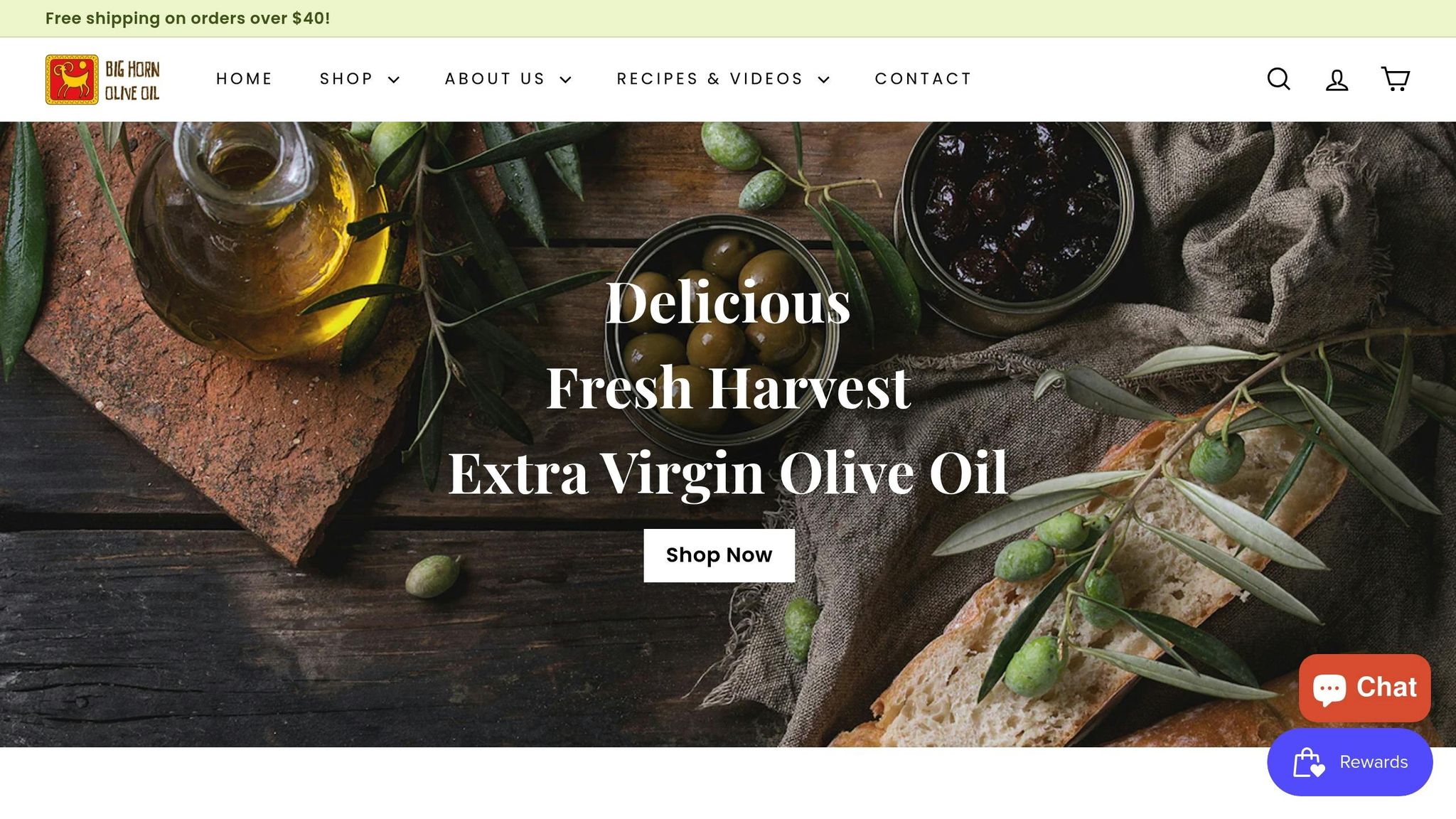
Brands like Big Horn Olive Oil embody the balance between tradition and innovation. Specializing in ultra-premium extra virgin olive oils and balsamic vinegars sourced from Modena, Italy, Big Horn honors the principles of freshness, flavor, and nutrient preservation that traditional stone milling represents.
While Big Horn uses advanced cold-extraction systems, their dedication to quality echoes the philosophy behind stone milling. By collaborating with top-tier Mediterranean producers who prioritize strict temperature controls and rapid processing, Big Horn ensures their oils maintain the complexity and health benefits that discerning consumers value. Their commitment to producing oil within three months of harvest is a standout quality marker.
Culinary experts often recommend high-phenolic oils for finishing dishes - drizzling them over salads or roasted vegetables - while milder oils are better suited for cooking tasks like sautéing or baking. Big Horn’s diverse offerings, from robust estate reserves to delicate single-origin selections, cater to a wide variety of culinary preferences, seamlessly blending tradition with modern precision.
From grove to bottle, every step reflects a dedication to quality and care - a story that resonates deeply with today’s olive oil enthusiasts.
Conclusion
Stone mills represent a timeless philosophy that lies at the heart of premium olive oil production. From the granite wheels of Greek villages to the artisanal mills in Tuscany and the traditional setups in rural Morocco, these tools carry forward generations of expertise in crafting exceptional olive oil.
By preserving delicate flavors, rich aromas, and beneficial polyphenols, stone milling has become synonymous with the quality that defines extra virgin olive oil. While modern crushers may focus on speed and efficiency, stone mills highlight the value of careful, deliberate processing, resulting in oils with deeper taste profiles and greater nutritional benefits. This approach resonates with American consumers who increasingly prioritize quality over convenience.
When shoppers look for labels like "cold extracted", "stone-milled", or harvest dates within three months, they are embracing the same principles Mediterranean producers have upheld for centuries - minimal heat, gentle handling, and respect for the olive's natural qualities. Whether through traditional stone mills or modern systems that replicate their gentle techniques, this dedication bridges the gap between heritage and contemporary practices, as seen in brands like Big Horn Olive Oil.
Big Horn Olive Oil is a prime example of this connection, sourcing ultra-premium oils from leading Mediterranean producers. By ensuring freshness within three months of harvest and using meticulous cold extraction methods, they honor the same care and precision that stone milling represents, delivering exceptional quality in every bottle.
The influence of stone mills endures in every drop of premium extra virgin olive oil, reminding us that the best traditions are not just memories of the past - they are living practices that continue to set the gold standard for quality today.
FAQs
Why are stone mills important in preserving the flavor and nutrients of traditional Mediterranean olive oil?
Stone mills are essential in preserving the rich flavor and nutritional integrity of olive oil. Unlike modern crushing techniques that can generate heat and compromise quality, stone mills work at a slower speed and maintain a cooler temperature. This careful process safeguards the natural antioxidants, nutrients, and bold flavors that set high-quality olive oil apart.
In Mediterranean regions such as Greece, Italy, and Morocco, stone mills have been a cornerstone of olive oil production for centuries. These traditional tools not only ensure the purity of the oil but also uphold the heritage and craftsmanship behind its creation. For those who value premium olive oils, this age-old method delivers a product that is both flavorful and packed with health benefits.
What is the cultural importance of stone mills in Mediterranean olive oil traditions beyond their practical use?
Stone mills carry a rich legacy in Mediterranean communities, serving as a bridge to the past and a symbol of heritage, craftsmanship, and tradition. While their primary role has been in producing olive oil, their significance goes far beyond functionality, embodying practices that have been cherished and handed down through generations.
In regions such as Greece, Italy, and Morocco, these mills are more than mere tools - they are woven into the fabric of local identity and history. From festivals to storytelling and community events, stone mills often take center stage, celebrating their vital role in preserving not just the unique flavors of Mediterranean olive oil but also the enduring spirit of its traditions.
Why should consumers look for labels like 'stone-milled' or 'cold extracted' when buying premium extra virgin olive oil?
Labels like 'stone-milled' and 'cold extracted' highlight traditional methods that focus on preserving the natural essence of extra virgin olive oil. The term 'stone-milled' refers to an age-old process where olives are crushed using massive stone wheels, a practice deeply rooted in Mediterranean heritage. This approach keeps heat levels low, helping to protect the oil's flavor and quality.
On the other hand, 'cold extracted' signifies that the oil is produced without subjecting it to high temperatures, which can compromise both its taste and nutritional benefits. If you're after authentic, high-quality olive oils that honor these time-tested techniques, brands like Big Horn Olive Oil are worth exploring.