

How Olive Oil Impacts Ghrelin Levels
Olive oil, especially extra virgin olive oil (EVOO), can help control hunger by reducing ghrelin levels - the hormone that signals hunger - and boosting hormones like GLP-1, which promote fullness. Here's what you need to know:
- Ghrelin and Appetite: Ghrelin rises before meals to signal hunger and drops after eating. EVOO lowers acyl-ghrelin (the active form that increases appetite) and raises GLP-1, helping you feel full for longer.
- Why EVOO Stands Out: Compared to regular olive oil and sunflower oil, EVOO has more monounsaturated fats and antioxidants, which enhance its ability to suppress hunger and improve metabolic responses.
- Other Benefits: EVOO supports better insulin sensitivity, reduces inflammation, and promotes a healthier gut microbiome, all of which contribute to appetite regulation and weight management.
- How to Use: Adding 1–2 tablespoons of EVOO to meals - like drizzling it over vegetables or using it in dressings - can help manage hunger naturally.
Switching to high-quality EVOO as your primary fat source can be a simple way to support appetite control and overall health.
Study links Natural Compound in Olives to Lower Blood Sugar and Weight Loss
How Ghrelin Controls Appetite
Ghrelin plays a key role in managing hunger, and understanding its behavior sheds light on why certain foods - like those rich in olive oil - can help curb appetite. This hormone operates in a predictable cycle, influencing both the timing and quantity of food intake.
How Ghrelin Works
Ghrelin levels rise before meals to signal hunger and drop after eating, promoting a feeling of fullness that can last up to four hours. It binds to GHSR receptors in the hypothalamus, activating brain pathways that not only stimulate eating but also interact with leptin and insulin to balance hunger signals.
Interestingly, ghrelin exists in two forms: acyl-ghrelin, which drives appetite, and desacyl-ghrelin (DAG), which is linked to reduced food intake and improved insulin sensitivity. It stands out as the only known circulating hormone that directly increases food consumption.
These intricate processes highlight how ghrelin's role goes beyond just hunger regulation.
Other Effects of Ghrelin
Ghrelin impacts more than just appetite - it also plays a role in blood sugar management, insulin function, and fat storage. Acyl-ghrelin, for instance, suppresses insulin secretion and raises blood sugar levels, while desacyl-ghrelin improves insulin sensitivity. Additionally, it encourages fat storage by promoting lipid uptake in fat cells, helping clear triglycerides from the bloodstream. Ghrelin even crosses the blood-brain barrier, influencing food-related cravings and the brain's reward system.
One fascinating discovery is that monounsaturated fats, like those found in extra-virgin olive oil, are particularly effective at reducing acyl-ghrelin levels compared to saturated fats. This makes olive oil a powerful ally in managing appetite.
Research on Olive Oil and Ghrelin Levels
Studies exploring the relationship between olive oil and ghrelin regulation highlight how various types of olive oil influence appetite control. Among these, extra virgin olive oil (EVOO) consistently stands out for its ability to suppress hunger hormones and promote feelings of fullness more effectively than other fats.
Main Research Findings
Research shows that consuming EVOO significantly lowers acyl-ghrelin levels and increases GLP-1, a hormone linked to satiety, for up to four hours after a 25-gram serving. These hormonal shifts not only help curb appetite but also trigger positive metabolic changes that support better appetite regulation.
EVOO has been shown to reduce post-meal triglycerides, free fatty acids, and inflammatory markers like TNFα and IL6. In contrast, sunflower oil tends to raise these pro-inflammatory compounds. This distinction highlights EVOO's unique ability to foster a healthier metabolic response compared to other dietary fats.
Olive Oil vs. Other Fats
When comparing dietary fats, EVOO consistently delivers stronger appetite-suppressing effects. The differences in how these fats influence ghrelin, GLP-1, and inflammatory markers are striking.
| Fat Type | Effect on Ghrelin | Effect on GLP-1 | Inflammatory Markers | Satiety Effect |
|---|---|---|---|---|
| Extra Virgin Olive Oil | Strong decrease | Strong increase | Decrease | High |
| Ordinary Olive Oil | Moderate decrease | Moderate increase | Intermediate | Moderate |
| Sunflower Oil | Weak decrease | Weak increase | Increase | Low |
Animal studies align with these findings, showing that olive oil-rich diets lead to lower weight gain, reduced food intake, and higher levels of desacyl-ghrelin compared to diets high in butter or other fats. These studies also highlight benefits like improved insulin sensitivity and healthier gut microbiota composition.
EVOO's effectiveness can be traced to its composition, which includes monounsaturated fatty acids and bioactive compounds. These elements create a more favorable hormonal and metabolic response compared to the polyunsaturated or saturated fats found in other oils and animal fats.
What Affects the Results
Several factors influence how olive oil impacts ghrelin levels. Meal composition plays a key role - EVOO's ghrelin-suppressing effects are most pronounced when consumed alone or with minimal carbohydrates. However, carbohydrate-heavy meals, such as those featuring potatoes, can diminish this effect.
Individual factors also matter. Body weight, metabolic health, and even recent bariatric surgery can alter responses to olive oil. For instance, individuals with morbid obesity may experience a reduced ghrelin response, which often improves after weight-loss surgery.
The gut microbiome further shapes how olive oil affects appetite. EVOO-enriched diets have been shown to positively influence gut bacteria, which can, in turn, regulate ghrelin production and appetite. Specific bacterial families linked to ghrelin levels are more favorably influenced by EVOO than by butter or other fats. Individual differences in metabolism and gut microbiota composition are key factors in determining how effective olive oil is for appetite regulation.
With these insights in mind, the next section delves deeper into how EVOO's unique components work to suppress appetite.
How Olive Oil Reduces Appetite
Olive oil doesn’t just add flavor to your meals - it also plays a role in controlling hunger. Through its unique composition, it works on multiple levels to suppress appetite, reduce hunger signals, and keep you feeling full longer.
Monounsaturated Fats and Hunger
One of the key components in olive oil is its monounsaturated fats, particularly oleic acid. These fats directly influence how your body manages hunger. Extra virgin olive oil (EVOO), thanks to its higher concentration of monounsaturated fats (MUFAs) and bioactive compounds, has a stronger impact on reducing hunger signals.
Here's how it works: EVOO lowers the levels of active acyl-ghrelin, a hormone that triggers hunger, while boosting GLP-1, a hormone responsible for promoting feelings of fullness. Studies back this up, showing that a 25 mL serving of EVOO significantly reduces acyl-ghrelin compared to regular olive or sunflower oils. At the same time, GLP-1 levels rise, helping you feel more satisfied.
Animal studies offer further evidence. Rats fed diets rich in olive oil-derived MUFAs showed higher levels of desacyl-ghrelin (DAG), which is linked to reduced food intake and slower gastric emptying. In one experiment, rats on high-fat diets with olive oil gained less weight and consumed fewer calories than those on diets high in saturated fats.
In addition to its fat composition, olive oil’s bioactive compounds amplify its appetite-regulating effects.
Antioxidants and Appetite Control
EVOO is packed with antioxidants and polyphenols like hydroxytyrosol and oleocanthal, which add another layer to its appetite-suppressing properties. These compounds help reduce inflammation and oxidative stress - two factors that can disrupt hunger and fullness signals.
Interestingly, olive oil’s polyphenols can also slow fat digestion by inhibiting pancreatic lipases, the enzymes responsible for breaking down fats. This delay in fat absorption keeps you feeling full for longer periods.
Additionally, the anti-inflammatory properties of these compounds support better hormone function. In one randomized trial, participants who followed a Mediterranean diet enriched with EVOO for four weeks saw improved insulin sensitivity and a 32.4% reduction in liver fat (hepatic steatosis). It’s worth noting that EVOO contains higher levels of polyphenols and antioxidants compared to refined olive oils, making it a better choice for appetite control.
Effects on Gut Bacteria
Olive oil also influences gut health, which plays a surprising role in appetite regulation. The beneficial bacteria in your digestive system help manage ghrelin secretion and overall hunger control. Olive oil appears to encourage the growth of these helpful bacteria while discouraging harmful strains, contributing to better metabolic health and more balanced appetite regulation.
Research highlights how the type of dietary fat impacts gut bacteria. Olive oil’s unique fat composition supports the growth of beneficial microbes, which can further improve appetite control and digestion.
Adding 1–2 tablespoons (15–30 mL) of high-quality EVOO to your diet each day can maximize these benefits. Pair it with fiber-rich foods like vegetables and whole grains to boost satiety and naturally reduce calorie intake.
sbb-itb-4066b8e
Using Olive Oil for Weight Control
Incorporating olive oil into your meals can help manage appetite and support weight control when used thoughtfully. The trick is to balance its benefits with your overall caloric intake.
Adding Olive Oil for Fullness
Swap out saturated fats like butter or lard with 1–2 tablespoons (15–30 mL) of extra virgin olive oil (EVOO) per meal. Each tablespoon contains about 120 calories, so it’s important to factor this into your daily intake. This simple change can enhance feelings of fullness without adding unnecessary calories.
EVOO works well for sautéing vegetables or as a base for homemade dressings. Try drizzling it over salads, grilled vegetables, or cooked proteins like salmon. Its healthy fats slow digestion, helping you feel satisfied for longer.
Pair olive oil with fiber-rich foods, such as vegetables and whole grains, to amplify its effects. The combination of fiber and olive oil’s monounsaturated fats slows gastric emptying, keeping hunger at bay. Research also shows that consuming 25 mL of EVOO can lower ghrelin (the hunger hormone) and increase GLP-1 levels, which promote satiety more effectively than regular olive oil or sunflower oil.
Olive Oil in a Balanced Diet
For lasting weight control, it’s essential to adopt an eating pattern that aligns with your goals. The Mediterranean diet offers a practical framework for incorporating EVOO into your meals.
Instead of adding extra fats, focus on replacing other oils and fats with olive oil. Making EVOO your go-to fat source simplifies meal planning and helps your body adjust to its appetite-regulating properties.
Combine olive oil with foods that naturally support weight management. Drizzle it over roasted vegetables, mix it into whole-grain salads, or use it to cook lean proteins. These combinations not only deliver essential nutrients but also take advantage of olive oil's ability to improve insulin sensitivity and reduce insulin resistance - key factors for maintaining a healthy weight.
Randomized trials highlight the benefits of this approach. Participants following a Mediterranean diet enriched with extra virgin olive oil experienced greater reductions in body weight and waist circumference compared to those on low-fat diets.
Quality matters, too. High-quality extra virgin olive oils contain more of the beneficial compounds that aid in appetite control and metabolic health. For instance, Big Horn Olive Oil's Ultra Premium Extra Virgin Olive Oils offer high antioxidant levels and smoke points above 410°F, making them versatile for cooking while retaining their health benefits.
You can use EVOO in countless ways - sautéing, roasting, or even light baking. It’s perfect for salad dressings, drizzling over grilled salmon, or tossing with roasted vegetables. These small adjustments not only enhance flavor but also maximize olive oil’s role in supporting satiety and weight management.
Selecting Quality Olive Oil for Best Results
When it comes to olive oil's ability to influence hunger hormones, choosing the right one makes all the difference. The quality of olive oil plays a crucial role in its effectiveness at regulating ghrelin, the hormone linked to appetite. Factors like freshness, extraction methods, and antioxidant levels can significantly enhance the oil's impact on appetite control.
What Sets Premium Olive Oil Apart
Premium extra virgin olive oil (EVOO) stands out for its unique qualities that directly support ghrelin regulation and appetite management. Freshly harvested and cold-pressed within 1–3 months, premium EVOO retains high levels of polyphenols and antioxidants - key compounds tied to appetite regulation and hormone balance. This freshness ensures that the oil maintains its beneficial properties.
Another hallmark of premium olive oil is its exceptional antioxidant content. Ultra-premium EVOO often surpasses standard biophenol requirements, packing a powerful punch when it comes to health benefits. Research suggests that EVOO with higher antioxidant levels has a stronger impact on satiety hormones, including a more pronounced reduction in ghrelin, compared to regular olive oil or oils rich in polyunsaturated fats.
High-quality olive oils are also known for their durability during cooking and are produced from carefully selected olives - often the top 5% of the harvest. This meticulous selection process ensures maximum potency. According to the UC Davis Olive Center, olive oil is best consumed within nine months of its crush date to enjoy its full benefits.
Big Horn Olive Oil: A Trusted Choice
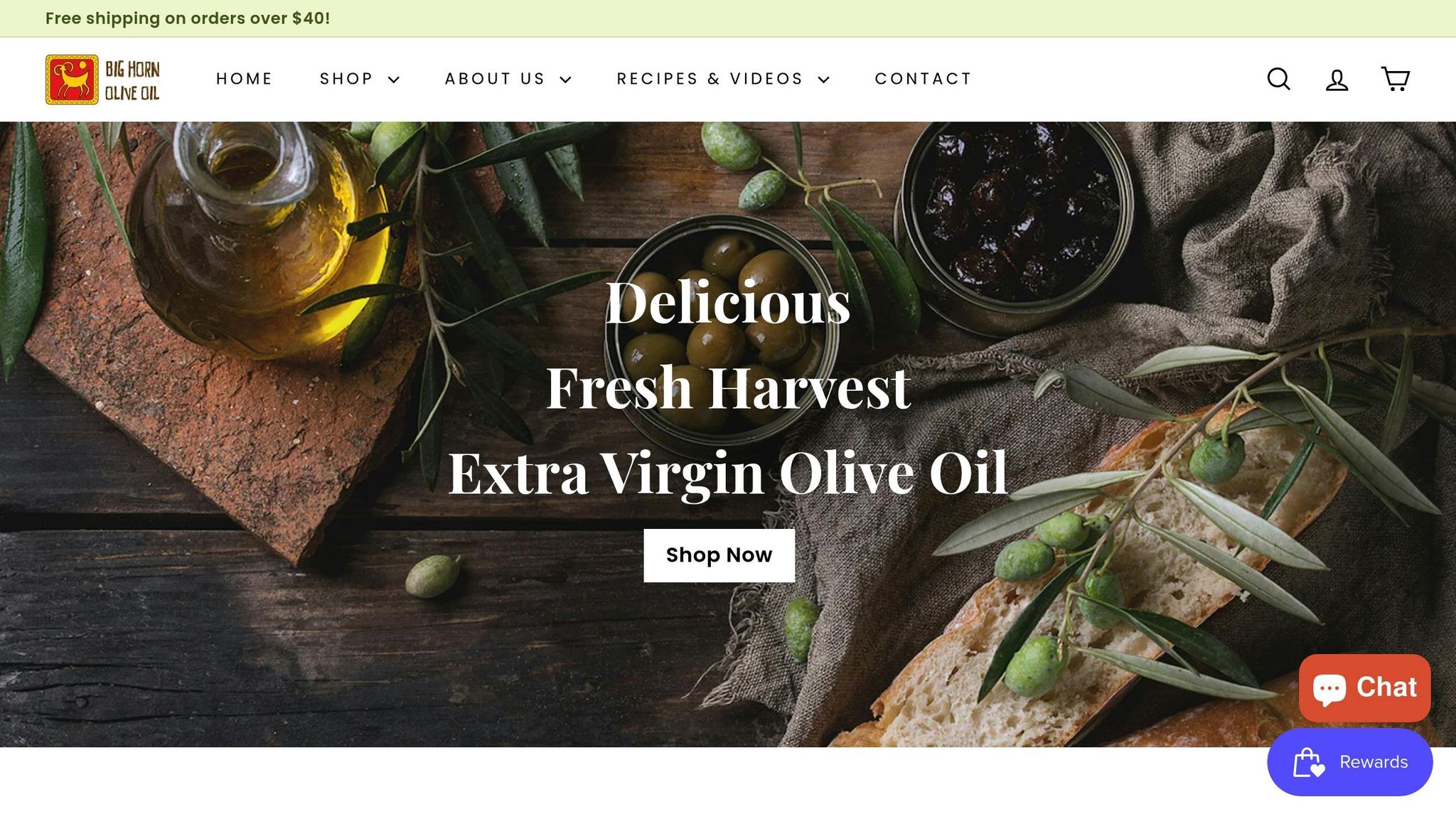
Big Horn Olive Oil exemplifies what premium olive oil should be. Their Ultra Premium Extra Virgin Olive Oils are made from only the finest 5% of olives from each harvest. Shipped within 1–3 months of production, these oils deliver unmatched freshness and potency. With a high smoke point (at or above 410°F) and a guarantee of 100% pure EVOO - never blended with other oils - you get the full range of beneficial compounds needed for hormone regulation.
Starting at just $8.99, Big Horn Olive Oil offers premium quality at an accessible price. Their lineup includes the Estate Reserve Ultra Premium EVOO and single-origin varieties like Picual and Coratina, all designed to maximize freshness and antioxidant content. These oils align with the research-backed benefits of high-quality EVOO, supporting effective ghrelin regulation.
Customer experiences highlight the brand's dedication to quality. Cleo H., a verified buyer, shared:
"My husband buys fine wine; I prefer the 'finest' olive oil!! We enjoy it daily. Estate Reserve Ultra Premium Extra Virgin Olive Oil"
When choosing olive oil for appetite control, focus on freshness, purity, and antioxidant content. Store your oil in a cool, dark place and use it within a few months of opening to preserve its hormone-regulating properties. By prioritizing these factors, you can fully harness the benefits of premium olive oil as part of your appetite management strategy.
Summary: Olive Oil's Role in Appetite Control
Extra virgin olive oil (EVOO) plays a powerful role in curbing appetite by reducing acyl-ghrelin levels and boosting hormones that signal fullness, performing better than other fats in these areas. These findings provide a glimpse into the mechanisms behind its effects.
EVOO's high concentration of monounsaturated fats helps suppress ghrelin, a hormone linked to hunger, while also encouraging a feeling of fullness. Its antioxidants add another layer of benefit by combating inflammation and oxidative stress. A clinical study revealed that consuming just 25 mL of EVOO led to a noticeable drop in serum acylated ghrelin and an increase in GLP-1, a hormone associated with satiety.
For the best results, ultra-premium EVOO - packed with polyphenols and monounsaturated fats - offers the most potent appetite-regulating effects. Including 1–2 tablespoons of this high-quality oil in your daily meals can aid in promoting fullness and supporting weight management, especially when combined with a balanced diet.
In short, EVOO is a natural and effective option for managing appetite and supporting long-term metabolic health.
FAQs
How does extra virgin olive oil affect ghrelin, the hormone that controls hunger?
Extra virgin olive oil (EVOO) might help manage ghrelin, the hormone that signals hunger. Studies indicate that healthy fats, like those in EVOO, can influence ghrelin levels, potentially curbing appetite. By promoting a sense of fullness, EVOO could help reduce the temptation to overeat.
Adding high-quality EVOO, such as the Ultra Premium varieties from Big Horn Olive Oil, to your meals doesn’t just enhance flavor - it may also aid in appetite regulation. With its rich nutrient content, EVOO is a smart choice for those looking to support hunger management and overall well-being.
Can everyone benefit from the effects of extra virgin olive oil (EVOO) on appetite control, or do individual factors play a role?
The impact of extra virgin olive oil (EVOO) on appetite control and ghrelin levels can differ from person to person. Factors like metabolism, overall dietary habits, and existing health conditions play a big role in how individuals respond to EVOO. While some may find that it helps reduce hunger or enhances feelings of fullness, these effects aren’t universal and depend on how the body processes its nutrients.
Adding high-quality EVOO, such as Ultra Premium Extra Virgin Olive Oil, to a well-balanced diet might support appetite regulation as part of a healthy routine. That said, if you have specific dietary requirements or health concerns, it’s always wise to check in with a healthcare professional for personalized advice.
How can I use extra virgin olive oil daily to help control my appetite?
Incorporating extra virgin olive oil (EVOO) into your meals can help with appetite control by affecting ghrelin, the hormone that signals hunger. Here are a few easy ways to include it in your diet:
- Add a drizzle to salads or roasted vegetables for a delicious and nutritious touch.
- Pair it with whole-grain bread as a dip, or mix it with herbs for a quick, satisfying snack.
- Cook with it at moderate heat for dishes like sautéed greens or grilled chicken.
For the best flavor and health benefits, choose high-quality, fresh EVOO. Options like the Ultra Premium selections from Big Horn Olive Oil are a great choice to elevate your meals.