

Tagine Care: Cleaning and Seasoning Tips
Tagines are delicate Moroccan clay pots that require specific care to maintain their quality and performance. Proper cleaning, seasoning, and storage can help prevent cracking, odor retention, and uneven cooking. Here's a quick guide:
- Cleaning: Always let the tagine cool before rinsing with warm water. Avoid harsh scrubbers or chemicals. Use baking soda or vinegar for tough residues or odors.
- Seasoning: Soak new unglazed tagines in water, coat with olive oil, and bake at 300°F for two hours. Re-season as needed to maintain a smooth, nonstick surface.
- Storage: Ensure the tagine is completely dry before storing. Keep the lid slightly ajar to prevent moisture buildup.
For unglazed tagines, avoid using soap as it can affect flavors. Glazed tagines are easier to clean but still require care to avoid damage. Using high-quality olive oil, like Big Horn Olive Oil’s EVOO, can improve seasoning and durability.
How to Clean a Tagine
Basic Cleaning Steps
When it comes to cleaning a tagine, gentleness is key. Start by letting your tagine cool completely after use - never rinse it while it's still hot, as sudden temperature changes can cause cracking. Once cooled, rinse it with warm water to loosen any food particles.
For regular cleaning, stick to warm water and a soft sponge or cloth. Use gentle, circular motions to clean the surface. If some food bits are stubborn, let the tagine soak in warm water for 10-15 minutes to soften the residue. Avoid using steel wool, abrasive pads, or harsh chemicals, as these can damage the clay and compromise its durability.
If you’re dealing with persistent residue or lingering odors, try a natural solution like a baking soda paste or diluted white vinegar. Apply it gently to the surface and scrub lightly. Keep in mind that the cleaning method may vary depending on the type of finish your tagine has.
Glazed vs. Unglazed Tagines
The cleaning process differs depending on whether your tagine is glazed or unglazed. Here's a quick comparison to help you understand the differences:
| Feature | Glazed Tagine Cleaning | Unglazed Tagine Cleaning |
|---|---|---|
| Soap Use | Mild soap is generally safe | Avoid soap; use water, baking soda, or vinegar |
| Absorption Risk | Low (protected by glaze) | High (porous clay absorbs flavors/chemicals) |
| Cleaning Frequency | Can handle frequent washing | Requires minimal cleaning to maintain seasoning |
| Scrubbing Intensity | Can tolerate slightly firmer scrubbing | Must be cleaned very gently |
Glazed tagines have a smooth, protective coating that makes them less porous and easier to clean. You can safely use a small amount of mild dish soap, as the glaze prevents soap and flavors from seeping into the clay.
Unglazed tagines, on the other hand, are more delicate. Their porous nature means they absorb whatever comes into contact with them, including soap, which can leave behind a residue that affects the flavor of future dishes. For this reason, it’s best to clean unglazed tagines with just water or natural alternatives like baking soda or vinegar.
Drying and Storage After Cleaning
Proper drying is essential to keep your tagine in good condition and prevent issues like mold or cracking. After cleaning, use a clean towel to thoroughly dry all surfaces, paying extra attention to crevices where moisture might hide.
Once towel-dried, allow the tagine to air dry completely. Place it in a well-ventilated area for at least 2-3 hours, or even overnight if possible. Make sure the clay feels completely dry to the touch before storing it.
When storing your tagine, keep the lid slightly ajar or store it separately to allow air circulation. This helps prevent moisture buildup, which can lead to mold or unpleasant odors. Choose a dry storage spot away from temperature extremes, like a kitchen cabinet or pantry shelf. Avoid placing it near heat sources, sinks, or dishwashers, as these areas tend to have fluctuating humidity levels.
If you notice any moisture or condensation during storage, take the tagine out immediately and let it air dry again. Never store a damp tagine, as this can lead to mold growth and weaken the clay over time. Proper care will ensure your tagine stays in great shape for years to come.
How to Season a Tagine
Seasoning a New Tagine
Taking the time to season your tagine properly is essential for protecting it and ensuring it performs well in the kitchen. Start by soaking the entire tagine in room-temperature water for several hours, or even overnight. This step allows the porous clay to absorb water, which helps minimize the chances of thermal shock and cracking when you cook.
After soaking, dry the tagine thoroughly using a clean towel, making sure to reach all the nooks and crevices. Once dry, coat the inside of the tagine with 2–3 tablespoons of olive oil and let it sit for about two hours to allow the oil to soak in.
Next, place the oiled tagine into a cold oven - this is important to avoid sudden temperature changes that could damage the clay. Set the oven to 300°F and bake the tagine for two hours. This gradual heating process strengthens the clay and helps form a protective layer. After baking, let the tagine cool down naturally inside the oven before taking it out. For added protection, you can apply another thin layer of olive oil before storing it.
These steps not only prepare your tagine for cooking but also help ensure it lasts for years while enhancing the flavors of your dishes.
Benefits of Proper Seasoning
When you season your tagine correctly, you unlock several benefits. The process strengthens the clay and creates a natural nonstick surface that improves with every use. As the oil absorbs into the clay, it forms a protective barrier that prevents food from sticking and enhances the tagine’s ability to absorb and retain flavors. Over time, this seasoning develops a rich patina, adding depth and complexity to every dish you prepare.
Re-seasoning an Older Tagine
Even the best-seasoned tagine will eventually need some care to restore its performance. If you notice cracks, dryness, food sticking, or lingering odors that won’t wash away, it’s time to re-season. A rough or ashy interior is another clear sign that your tagine needs attention.
Start by cleaning the tagine gently. If odors are an issue, use a mild baking soda paste to neutralize them. Once clean, follow the same seasoning process outlined above. If the clay feels particularly dry or shows signs of damage, you may need to repeat the process twice. For best results, re-season your tagine annually.
After re-seasoning, the tagine should feel smooth and have a light, glossy finish from the absorbed oil. To keep it in good condition, store the tagine with the lid slightly ajar. This prevents moisture buildup, which could lead to mold or unpleasant smells, and keeps your tagine ready for its next culinary adventure.
Using Olive Oil in Tagine Care
Benefits of Extra Virgin Olive Oil
Extra virgin olive oil (EVOO) plays a key role in maintaining your tagine. By soaking into the porous clay, it helps lock in moisture and minimizes food from sticking. Thanks to its high smoke point - around 410°F - it holds up well during the seasoning process without breaking down. Plus, its natural antioxidants keep the clay from becoming brittle or cracking over time.
A properly seasoned tagine, enriched with absorbed oil, not only ensures even heat distribution but also subtly enhances the flavors of your dishes. The fruity undertones of EVOO pair beautifully with the traditional spices and ingredients found in Moroccan cuisine. Regularly applying EVOO can refresh the nonstick surface and extend the lifespan of your tagine.
Big Horn Olive Oil's Ultra Premium EVOO
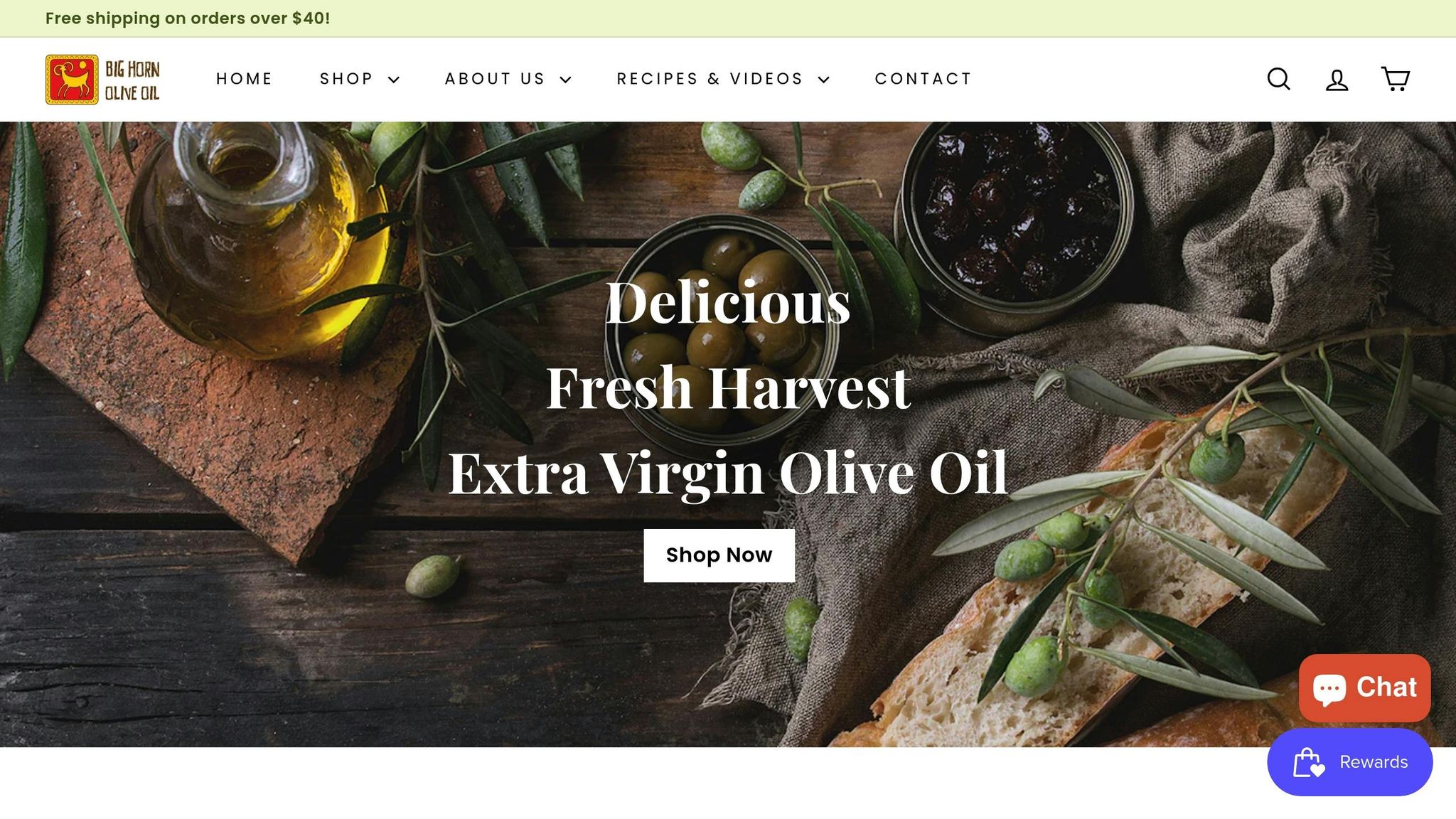
When it comes to tagine care, Big Horn Olive Oil's Ultra Premium EVOO is a standout choice. This premium oil is sourced from the finest 5% of olive harvests and is shipped promptly - within 1 to 3 months of harvest - to ensure maximum freshness. For best results, it’s recommended to use within 9 months of its crush date.
What makes this EVOO so effective for tagine maintenance? Its high smoke point (rated at 410°F or above) ensures it can handle the seasoning process without degrading. The oil’s rich concentration of antioxidant biophenols creates a durable, protective layer on the clay surface, helping to preserve the seasoning and prevent damage. Since Big Horn Olive Oil’s EVOO is never blended with other oils, it delivers consistent quality, flavor, and nonstick performance every time you use it.
| Tagine Care Aspect | Big Horn Ultra Premium EVOO Benefits |
|---|---|
| Seasoning Process | High smoke point (410°F+) |
| Clay Protection | Antioxidant biophenols form a protective barrier |
| Flavor Enhancement | Fresh harvest oils (1–3 months old) |
| Maintenance | Pure, unblended oil ensures consistency |
Up next, we’ll explore common mistakes to avoid so you can keep your tagine in top condition for years to come.
sbb-itb-4066b8e
How to Season and Care for Your Tagine
Common Mistakes and Troubleshooting
Taking care of your tagine requires attention to detail, and skipping key precautions can lead to problems. By understanding common mistakes and how to fix them, you can keep your clay cookware in great shape for years.
Avoiding Thermal Shock
Thermal shock is one of the main reasons tagines crack. It happens when the clay is exposed to sudden temperature changes, causing it to expand or contract too quickly . To avoid this, never expose a cold tagine to high heat or add cold liquids to a hot tagine. Similarly, don’t move a tagine straight from the refrigerator to the stove or place it in a preheated oven .
The key is to heat your tagine gradually. For example, if you’re using an oven, start with the tagine in a cold oven and let it heat up as the oven warms. On the stovetop, use a heat diffuser to distribute heat evenly. Always let your tagine come to room temperature before heating or cooling . If you’ve stored food in it in the fridge, leave it out for about 30 minutes before reheating. When cleaning, stick to warm (not hot) water and let the tagine cool naturally before washing.
| Temperature Transition | Safe Method | Risky Method |
|---|---|---|
| Cold to Hot | Start in a cold oven or use a heat diffuser | Place directly on a hot burner |
| Hot to Cold | Let cool naturally before cleaning | Rinse with cold water immediately |
| Storage to Cooking | Bring to room temperature first | Cook straight from the refrigerator |
By following these steps, you can protect your tagine from cracking and ensure it lasts a long time.
Fixing Cracks and Odors
Even with the best care, issues like cracks or lingering odors can sometimes occur. Here’s how to handle them.
For minor hairline cracks, you can try rubbing olive oil into the crack and baking the tagine at a low temperature to seal it. However, if the crack is deep or goes all the way through, it’s time to retire the tagine. Pay close attention to areas like the rim and base, as these are more prone to stress-related damage.
Odors, especially in unglazed tagines, often come from storing the tagine while it’s still damp or sealing it with the lid on, which traps moisture. This can lead to musty smells or even mold . To remove odors, start with a simple baking soda paste: scrub gently with the paste, then rinse thoroughly. For tougher smells, fill the tagine with a mix of water and white vinegar, let it sit overnight, then scrub and rinse.
Preventing odors is easier than removing them. Always let your tagine air-dry completely before storing it. Store it with the lid off or slightly ajar to allow airflow . Keep it in a dry, well-ventilated area, and avoid stacking it with heavy cookware that could cause chips or cracks. Stick to wooden utensils and steer clear of abrasive cleaners to avoid unnecessary wear and tear.
Conclusion
Taking care of your tagine doesn’t have to be complicated. By sticking to a few consistent habits, you can keep it in top shape for years of flavorful cooking. The essentials? Gentle cleaning, regular seasoning, and warming it up gradually to avoid sudden temperature shifts.
When it comes to seasoning, the quality of the olive oil you use makes a big difference. For instance, Big Horn Olive Oil’s EVOO is an excellent choice. It’s packed with antioxidant biophenols that go beyond the usual standards for extra virgin olive oil, ensuring your tagine gets the care it deserves. This seasoning step, combined with proper cleaning and storage, helps preserve both the flavor and durability of your tagine.
With just a little attention, your tagine will not only last but also develop deeper, richer flavors over time. By embracing these simple care practices, you’re not just maintaining cookware - you’re nurturing a tradition that brings authentic, delicious meals to your table for years to come.
FAQs
How should I clean and care for glazed vs. unglazed tagines?
The care routine for glazed and unglazed tagines varies slightly due to their different materials.
Glazed tagines are a breeze to clean thanks to their smooth, non-porous surface that keeps food from sticking. To clean, use warm water, mild dish soap, and a soft sponge. Stay away from abrasive scrubbers - they can scratch or damage the glaze.
Unglazed tagines need a bit more TLC. Since they’re porous, avoid using soap; it can seep into the clay and alter the flavor of your dishes. Instead, rinse with warm water. If food sticks, soak the tagine in warm water for a few minutes before gently scrubbing. Always let unglazed tagines dry completely before storing to prevent mold from forming.
For both types, steer clear of sudden temperature changes - like placing a hot tagine on a cold surface - as this can lead to cracks. With the right care, your tagine will stay in great shape for years, ready to deliver delicious meals every time.
How do I know when my tagine needs re-seasoning, and what’s the best way to do it?
If your tagine starts sticking more than usual, absorbs too much liquid, or develops a dull, uneven surface, it’s time to re-season it. Re-seasoning not only restores its non-stick qualities but also ensures your food cooks evenly.
Here’s how to re-season your tagine:
- Clean it well: Use warm water and a non-abrasive sponge to wash the tagine. Skip the soap - it can seep into the clay and affect the flavor of your dishes.
- Soak the clay: Immerse both the base and lid in water for about 2 hours. This rehydrates the clay and preps it for seasoning.
- Dry it out: Let the tagine air dry completely, or use a clean towel to pat it dry.
- Oil it up: Rub a thin layer of a neutral oil, such as Big Horn Olive Oil’s Ultra Premium Extra Virgin Olive Oil, on all the interior surfaces.
- Bake it: Place the tagine in a cold oven, gradually heat it to 300°F, and let it bake for 1-2 hours. Allow it to cool completely in the oven before removing it.
With proper care and seasoning, your tagine will stay in great shape, ready to serve up delicious meals for years.
Why should I use high-quality olive oil, like Big Horn Olive Oil’s EVOO, when seasoning a tagine?
Using premium olive oil, like Big Horn Olive Oil's Ultra Premium Extra Virgin Olive Oil (EVOO), plays a key role in seasoning a tagine. This type of oil not only enhances the flavor but also helps maintain the tagine's durability. Its high smoke point is particularly useful, as it protects the clay surface from potential cracking or damage caused by excessive heat.
Beyond its practical benefits, the rich and fresh flavor of high-quality EVOO subtly infuses the tagine, adding depth to your cooking. Opting for a superior olive oil doesn't just safeguard your tagine - it also elevates the taste of every dish you prepare.