

Traditional Farming in French Olive Oil Terroirs
French olive oil groves, especially in regions like Provence, Nyons, and Corsica, rely on farming methods passed down for generations. These low-density groves feature older trees, terraced slopes, and minimal irrigation, producing oils with rich flavors influenced by the land. Unlike modern high-yield systems, these groves prioritize soil health, biodiversity, and long-term resilience. While labor-intensive and yielding less, they deliver oils prized for their depth and complexity.
Key points:
- Tree density: 200-300 trees per acre, compared to 600-800 in intensive systems.
- Harvesting: Manual or semi-manual due to steep slopes.
- Water use: Rain-fed systems reduce water consumption.
- Soil and biodiversity: Terraces and organic practices limit erosion and support ecosystems.
- Economic approach: Focus on quality, PDO certifications, and direct sales to justify premium pricing.
For U.S. consumers, these oils stand out for their flavor, health benefits, and connection to heritage farming practices. Companies like Big Horn Olive Oil ensure these values translate to the ultra-premium market by emphasizing quality and traceability.
Olive oils from the South of France - Meeting in the olive grove
Research Findings on Traditional Farming Practices in France
Recent studies shed light on how traditional French olive groves manage to balance production with a thoughtful approach to the environment. Researchers have found that these groves, characterized by low tree density, minimal irrigation, and time-honored farming techniques, create a system that values both output and ecological care. French interprofessional groups, such as Afidol (now France Olive), have taken these findings to heart, developing training programs that focus on pruning, soil care, and sustainable methods tailored to traditional and mountain groves. This approach connects age-old practices with modern sustainability goals.
Structural Characteristics of Traditional Groves
Traditional olive groves in France stand apart from modern orchards in several ways. Surveys conducted in regions like Provence, Nyons, and Corsica show tree densities of 200–300 per acre, producing yields of 5.5–11 tons. These groves prioritize quality over sheer volume, a stark contrast to super-intensive systems that cram over 600–800 trees into the same space.
Most of the trees in these groves are over 25 years old, having supported generations of farming. Researchers assess factors like trunk diameter, canopy size, and slope to evaluate how well these trees adapt to their environment. In areas such as Vallée des Baux, groves are laid out on terraced slopes supported by stone walls. The spacing of the trees follows the land’s natural contours rather than adhering to a rigid grid.
In the steep terrains of the Nice hinterland, manual harvesting is often the only option. To make up for lower yields, growers turn to strategies like AOP labels, direct sales, and oleotourism, which add value to their products. Since the 1980s, rehabilitation efforts have focused on clearing abandoned terraces, regrafting old trees, and reshaping crowns to extend their productive life - all without converting to intensive systems. Tools like GIS mapping and aerial imagery have been instrumental in tracking these changes and preserving the groves’ traditional structure.
Local Cultivars and Terroir Expression
The choice of olive varieties plays a crucial role in expressing the unique characteristics of each region. French research highlights several cultivars that have adapted to their specific environments over centuries.
- Aglandau: Predominantly found in Provence and Alpes-de-Haute-Provence, this cultivar thrives in dry, stony soils typical of terraced groves. Known for its drought tolerance and high polyphenol content, Aglandau is well-suited to systems with minimal irrigation.
- Picholine: Grown across southern France, this versatile variety is prized for both table olives and oil. It has demonstrated resilience to varying rainfall and temperatures on diverse hillsides. Oils made from Picholine often have a milder, fruitier flavor, reflecting the cultivar’s adaptability to different micro-climates.
- Estoublonnaise: This variety frequently appears in recovery programs aimed at rehabilitating abandoned groves. Its continued cultivation supports genetic preservation and highlights the distinct micro-climates of areas like Vallée des Baux.
Traditional groves act as living reservoirs of genetic diversity, an increasingly valuable resource as climate conditions change. The International Olive Council underscores the importance of these groves, viewing them as "living laboratories" that contribute to the resilience and adaptability of global olive cultivation.
Research Methods for Studying Traditional Groves
To fully understand traditional groves, French researchers rely on a mix of fieldwork, environmental sampling, and long-term monitoring. These methods provide a detailed picture of how these systems function.
Field surveys document tree spacing, trunk size, canopy dimensions, and slope characteristics. Long-term monitoring tracks growth patterns, yield variations, and the impact of different management practices.
Soil sampling plays a key role in assessing the health of these groves. Researchers compare terraced, grass-covered traditional groves with tilled or herbicide-treated intensive orchards, measuring factors like organic matter, water infiltration, and nutrient levels. Results consistently show that traditional systems, with their permanent or semi-permanent ground cover, have healthier soil that retains water better and resists erosion.
Biodiversity studies add another layer of insight. Surveys of plants, insects, and birds reveal that traditional groves, with their limited use of synthetic inputs and greater habitat diversity, support richer ecosystems. These groves function as agroecological systems, offering benefits like erosion control, habitat preservation, and carbon storage.
Climate and water studies further explore how these groves endure under challenging conditions. Research shows that older, deep-rooted trees can tap into subsoil moisture, helping them survive prolonged droughts. Meanwhile, terraces and organic-rich soil improve water infiltration and storage, providing a buffer against heavy rainfall and subsequent dry periods.
Programs like Patermed (Mediterranean Landscapes and Terroir) have even linked the visual elements of olive landscapes - terraces, stone walls, and tree patterns - with the value of their products and their appeal in rural tourism. This holistic approach highlights the enduring importance of traditional groves in both agriculture and local heritage.
Environmental Benefits of Traditional Farming
Traditional French olive groves offer benefits that go far beyond the farms themselves. These centuries-old systems, developed to thrive in the Mediterranean environment, help protect the soil, conserve water, and support a wide variety of plant and animal life.
Soil and Water Conservation
Traditional French olive farming relies on rain-fed systems, which do away with irrigation infrastructure and help conserve water. The trees’ deep roots tap into moisture buried in the subsoil, moisture that shallow-rooted crops can't access. This allows these groves to flourish using natural rainfall, avoiding the need for energy-intensive irrigation or aquifer depletion.
In regions like Vallée des Baux and the Nice hinterland, terraced slopes with stone walls and permanent ground cover reduce soil erosion by over 50% compared to bare, tilled land. These contoured plantings slow water runoff, letting rain soak into the ground instead of washing away.
The low-density planting - typically 200 to 300 trees per acre - reduces the need for machinery, which means less soil disturbance. In steep areas where manual harvesting is the only option, the absence of heavy equipment prevents soil compaction, preserving the intricate network of soil organisms essential for nutrient recycling. This contrasts sharply with intensive farming systems, where heavy machinery often degrades soil structure and limits water absorption.
Studies show that soil in traditional groves contains more organic matter and retains water better than soil in intensively farmed orchards. With minimal tillage, organic inputs, and permanent vegetation, these soils act like sponges - soaking up rainfall and slowly releasing it over time. These practices not only conserve water but also create a thriving environment for diverse ecosystems.
Biodiversity in Traditional Groves
Traditional olive groves are rich in biodiversity, serving as habitats for a wide range of species. Their structural complexity - featuring trees of varying ages, spontaneous ground vegetation, stone walls, and limited chemical use - provides niches for plants, insects, and animals.
The ground vegetation in these groves supports numerous herbaceous species, offering food and shelter for insects like pollinators and natural pest predators. These beneficial insects help control pests naturally, reducing the need for synthetic pesticides. Birds also benefit, finding nesting spots in older trees and feeding on insects, further contributing to natural pest management.
Around 25% of France’s professionally managed olive farms now operate under organic practices, a nod to the compatibility of traditional methods with organic farming standards. These systems avoid synthetic fertilizers and broad-spectrum pesticides, allowing soil microbial life to thrive. Healthy soil biology improves nutrient availability, breaks down organic material, and strengthens soil structure.
Traditional groves also act as ecological corridors, linking fragmented habitats in Mediterranean landscapes. The diversity within these groves allows wildlife to move between protected areas, maintaining genetic diversity and population strength. This connectivity becomes even more critical as climate change shifts species distributions and alters habitats.
Programs like SUSTAINOLIVE prioritize traditional groves as key landscapes for biodiversity conservation. These groves provide essential ecosystem services - such as pollination, pest control, and nutrient cycling - that benefit both agriculture and the surrounding natural environment. Preserving these groves means investing in ecological systems that support food production and environmental health.
Climate Benefits and Carbon Sequestration
Traditional farming practices also play a role in producing high-quality olive oils while benefiting the climate. Olive trees, especially those over 25 years old, act as significant carbon sinks, storing CO₂ in their trunks, branches, and roots for decades. Unlike annual crops that release carbon each year, these perennial trees continually build carbon reserves.
In addition to storing carbon in trees, traditional groves enhance soil carbon storage. Practices like composting and mulching with pruning residues return organic matter to the soil, where it decomposes slowly and builds stable carbon pools. Recycling pruning waste and using composted by-products from olive mills can add several tons of organic material per hectare annually, boosting both carbon storage and soil water retention.
The low-input nature of traditional groves also means fewer greenhouse gas emissions. Without the need for irrigation, synthetic fertilizers, or frequent machinery use, these systems avoid the energy demands typical of industrial agriculture. Manual harvesting in steep regions further reduces fuel consumption, lowering the carbon footprint of olive production.
The International Olive Council highlights the potential of olive groves for long-term carbon storage, particularly when soils are well-managed and organic inputs are maintained. French traditional systems exemplify this, combining old trees, healthy soils, and minimal external inputs to create farming systems that act as net carbon sinks.
Additionally, these groves offer resilience in the face of climate change. Heritage varieties like Aglandau, Picholine, and Estoublonnaise preserve genetic traits that have helped them survive past droughts. These deep-rooted trees hold valuable genetic material for adapting to future changes in temperature and rainfall, making traditional groves living reservoirs of climate adaptability.
sbb-itb-4066b8e
Economic and Heritage Value
Traditional French olive farming plays a crucial role in supporting rural communities while safeguarding a rich heritage that spans centuries. These small-scale systems, though under economic pressure, offer qualities that large-scale, intensive agriculture simply cannot replicate. Let’s delve into the economic impact and heritage preservation tied to these traditional practices.
Economic Resilience of Traditional Farming
France is home to around 35,000 olive growers, but only 32% of them are classified as professionals, with very few relying solely on olives for their income. To make ends meet, many farmers diversify their activities by combining olive cultivation with ventures like tourism, winemaking, or lavender farming. This diversification not only spreads financial risks but also helps sustain rural livelihoods.
Traditional olive groves in France prioritize quality over quantity. With 200–300 trees per acre producing 5.5–11 tons, these groves are often located on steep, terraced terrain that limits mechanization. Unlike the super-intensive orchards in Spain or North Africa, where machinery dominates, French growers rely on hand-picking, often using ladders to navigate challenging landscapes.
To stay competitive, many producers adopt value-added strategies. Organic certification, for instance, appeals to environmentally conscious buyers in markets like the United States and Northern Europe, allowing growers to command higher prices. Similarly, PDO (Protected Designation of Origin) certifications validate the origin and traditional methods behind these ultra-premium oils, offering a compelling narrative that mass-produced oils simply cannot match.
Cooperatives play a key role in supporting these small-scale farmers. By pooling resources, they provide access to shared milling facilities and help negotiate better market terms. They also offer training in techniques like pruning and tree shaping, which maintain the traditional grove density while improving the efficiency of manual or semi-assisted harvesting.
Heritage Preservation and Rural Development
Traditional olive groves are more than just agricultural spaces - they’re living symbols of regional identity. These groves connect the quality of the oil to the land’s history and culture, adding both sentimental and market value. Programs like Patermed (Mediterranean Landscapes and Terroir) have helped restore olive and vineyard landscapes, enabling local communities to harness their unique cultural and economic strengths. Such efforts have also preserved rare local olive varieties like Estoublonnaise, which bring authenticity and differentiation to the market.
In many parts of France, ancient olive trees and stone terraces add to the charm of rural landscapes while offering practical benefits like erosion control. Oleotourism - through activities such as mill tours, tasting workshops, and farm stays - attracts visitors to these historic groves. This not only generates extra income for local communities but also creates jobs in areas like hospitality, guiding, and artisan crafts.
For consumers, the connection between the landscape and the oil’s quality is a powerful draw. Specialty retailers like Big Horn Olive Oil source ultra-premium oils from these French terroirs, offering buyers more than just a product - they’re sharing a story of tradition and dedication.
By keeping economic opportunities in rural areas, traditional farming also supports the broader community. When families earn a living from olives, tourism, and related activities, local services like schools and small businesses remain viable. These heritage-driven ventures allow producers to charge premium prices, even in the face of modern challenges.
Challenges and Opportunities
Despite their value, traditional French olive groves face steep challenges. High labor costs, particularly in low-density, terraced groves, make it hard to compete in the bulk market. Climate change adds another layer of difficulty, with rising droughts, heatwaves, and extreme weather driving up costs and causing inconsistent yields. Meanwhile, competition from high-yield systems in Spain, Greece, and North Africa puts downward pressure on prices, forcing French producers to either scale back or focus on niche markets.
However, these challenges also present opportunities. The very factors that increase costs - manual harvesting, low tree density, and preserving heritage landscapes - are the same qualities that appeal to ultra-premium markets. Consumers increasingly demand transparency about where their food comes from, how it’s produced, and whether it aligns with sustainable practices. This gives French producers a chance to tell their story and justify higher prices.
To adapt, many growers are exploring new strategies. Agroecological practices, like using cover crops and organic soil amendments, help retain soil moisture and improve drought resilience. Partial mechanization, such as hand-held harvest aids or small machines designed for terraced landscapes, reduces labor intensity without compromising tradition. Research initiatives across the Mediterranean are also testing innovative solutions like drought-resistant companion planting, better water management, and renewable energy for milling.
The U.S. market, in particular, holds promise for French olive oils. American consumers value transparency, quality, and sustainability, and they’re willing to pay more for PDO-certified and organically produced oils. Companies like Big Horn Olive Oil, with their focus on freshness and provenance, help bridge the gap between traditional French producers and discerning international buyers.
The future of traditional French olive farming lies in balancing heritage with modern challenges. By adapting to economic and environmental pressures while preserving their unique cultural landscapes, these farmers can continue to support rural communities and produce olive oils that stand out in the ultra-premium market.
How Traditional Farming Connects to Premium Olive Oil
The connection between traditional French olive farming and high-quality olive oil lies in farming methods that prioritize excellence. Practices like maintaining rain-fed groves on terraced slopes and relying on manual harvesting lead to lower yields but produce more concentrated fruits. This results in oils with intense flavors and higher levels of beneficial compounds. For consumers who value quality, these factors explain why certain bottles come with a higher price tag while offering superior taste and health benefits. This blend of tradition and quality defines the appeal of ultra-premium olive oils.
Traditional Practices and Oil Quality
French olive groves, often planted with 200–300 trees per acre on terraced landscapes, depend on manual harvesting to produce fewer but highly concentrated fruits. This approach boosts the phenolic content of the olives, enhancing their bitterness, pungency, and oxidative stability. The lack of irrigation creates water stress, which further increases the concentration of these phenolic compounds. These elements not only shape the oil's distinct flavor but also provide antioxidant and anti-inflammatory benefits that health-conscious consumers seek.
By hand-picking olives at optimal ripeness, farmers preserve the unique flavor profiles of traditional cultivars like Aglandau and Picholine. Many groves also feature older trees - often over 25 years old - and heritage varieties such as Estoublonnaise, Aglandau, and Picholine, planted at historic densities. These factors weave together local genetics, soil, and climate to produce oils with exceptional taste while maintaining ecological balance.
Long-Term Production and the Ultra-Premium Olive Oil Market
For buyers seeking premium olive oils, qualities like exceptional flavor, freshness, traceability, and sustainability are key. Traditional French groves align with these demands through practices that preserve soil health, biodiversity, and the resilience of the trees, resulting in stable phenolic profiles over time.
European initiatives like the SUSTAINOLIVE project have recognized traditional, low-input groves as "high nature value" systems, emphasizing their role in conserving biodiversity and landscapes. This aligns with the preferences of eco-conscious U.S. consumers, who are willing to pay more for oils produced in environmentally mindful ways rather than through intensive, high-density farming methods.
Although traditional methods come with higher costs, the benefits justify the premium prices. Many producers add value by using Protected Designation of Origin labels, sharing heritage stories, and engaging in agro-tourism. These efforts resonate with ultra-premium buyers who appreciate oils that tell a story of origin, biodiversity, and low-impact farming practices.
French producers are also blending tradition with modern techniques to enhance quality. By adopting advanced milling methods, precise harvest timing, improved storage, and occasionally limited drip irrigation, they can increase the oil's phenolic content, flavor, and shelf life without compromising heritage values. Practices like early harvesting, quick transportation to mills, and temperature-controlled extraction play a crucial role in ensuring the highest quality for premium oils.
Big Horn Olive Oil: A Commitment to Quality
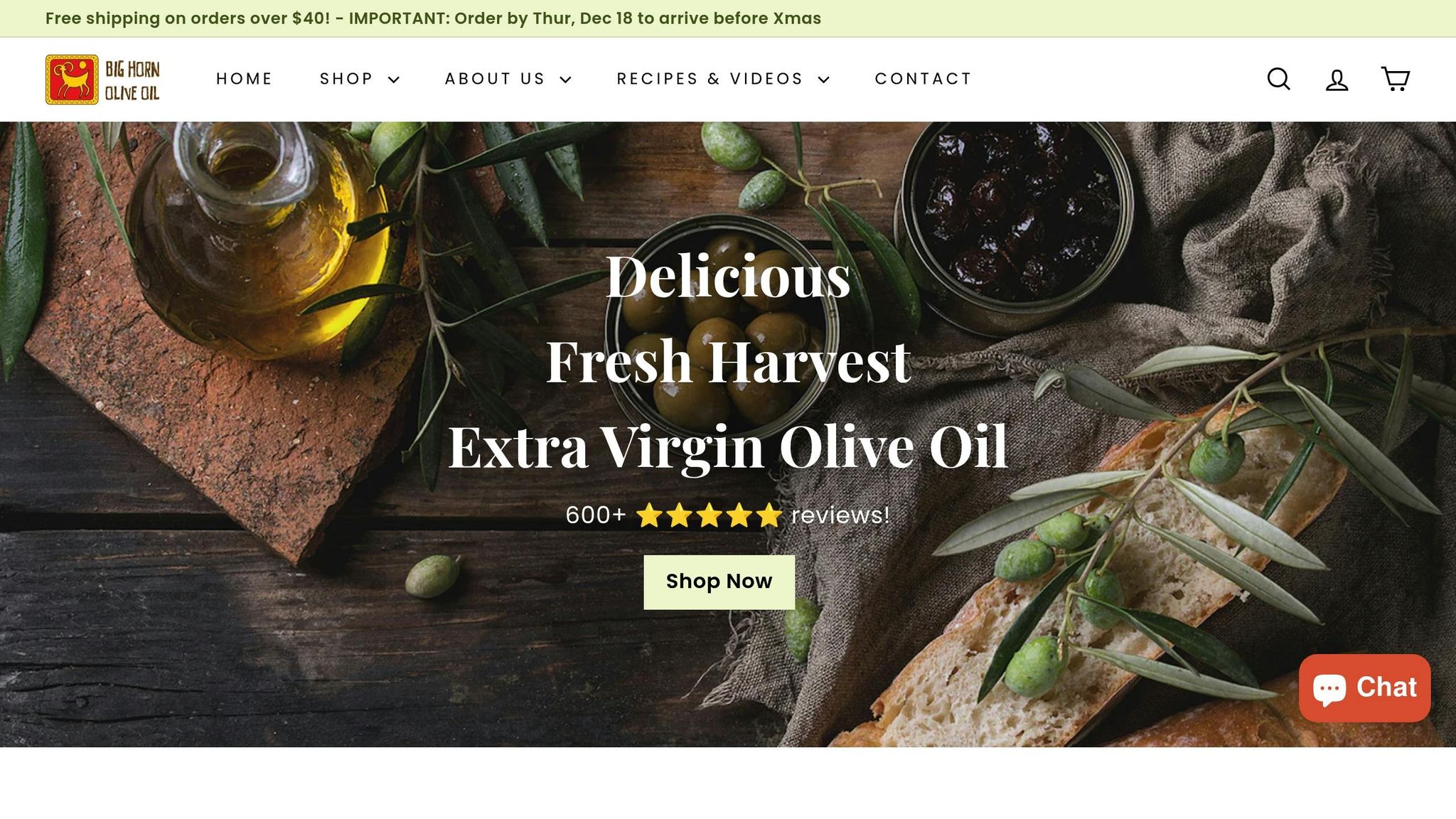
Big Horn Olive Oil exemplifies the principles of ultra-premium olive oil production. By ensuring cold-press extraction within two hours and delivering peak freshness within three months, they preserve the high phenolic content and vibrant flavors that come from careful, low-input cultivation.
The company offers a variety of single-source extra virgin olive oils, including Picual and Coratina, meeting the demand for traceability and authenticity. Each bottle links consumers to specific growing regions and traditional farming practices that emphasize quality over quantity. For U.S. buyers navigating the olive oil market, Big Horn Olive Oil bridges the gap between time-honored methods and modern quality expectations. By clearly communicating harvest dates, varietal information, and rigorous quality standards, the company not only justifies its premium pricing but also supports a production approach that protects heritage landscapes, maintains biodiversity, and delivers oils with a distinct sense of place.
Conclusion
The traditional farming methods found in French olive oil terroirs demonstrate how sustainability, heritage, and economic stability can thrive together. These age-old groves not only protect soil health through terraced designs but also reduce erosion and foster biodiversity by maintaining semi-natural habitats - a win for both the environment and local ecosystems. Since the late 1980s, the revival of abandoned groves has breathed new life into rural areas while preserving unique local olive cultivars that reflect the distinct character of their regions.
Studies show these groves provide critical ecosystem benefits, including carbon storage, water retention, and habitat conservation. Their ability to balance ecological health with continued productivity makes them resilient against climate challenges. These environmental strengths also give traditional olive oil producers a competitive edge in the marketplace.
From an economic perspective, these farming practices sustain rural livelihoods across France. While their yields may be lower than those of intensive systems, the emphasis on quality over quantity allows farmers to sell their oils at premium prices. This approach aligns perfectly with the growing consumer preference for authentic, traceable, and responsibly produced extra virgin olive oil - qualities that resonate strongly in the ultra-premium market segment. Institutional backing further supports these sustainable farming efforts, ensuring they remain viable and relevant in the modern era.
Rain-fed groves with older olive trees produce intensely flavored oils that appeal to consumers who value depth and complexity. These unique characteristics justify higher price points while supporting practices that safeguard soil, water, biodiversity, and cultural traditions.
For U.S. consumers, understanding these traditional farming principles sheds light on why certain olive oils come with higher price tags. Companies like Big Horn Olive Oil reflect these values by prioritizing freshness, traceability, and top-tier quality. By selecting only the best 5% of harvests and ensuring bottles reach customers within one to three months of production, they echo the meticulous care French growers put into their groves. This connection between responsible farming and exceptional oil quality is what sets these products apart.
The legacy of these sustainable practices continues to shape the production of ultra-premium olive oil, bridging centuries-old traditions with modern consumer expectations. These methods offer a blueprint for producing olive oils that are not only exceptional in flavor but also rooted in environmental and cultural responsibility.
FAQs
How do traditional farming methods in French olive oil regions influence the flavor and sustainability of the oil?
French olive oil producers rely on traditional farming techniques to craft oils with rich, distinctive flavors while maintaining a strong commitment to environmental care. These age-old methods involve growing olive trees in sync with the natural surroundings, protecting biodiversity, and minimizing the use of chemicals. The result? Olives that not only showcase their natural essence but also contribute to healthier soils and a balanced ecosystem.
Key practices like hand-harvesting and cold pressing are central to this process. These techniques help preserve the olives' freshness and subtle flavor complexities, ensuring the oils carry the character of their origin. This dedication to tradition creates olive oils that are as flavorful as they are environmentally conscious - a true testament to their French roots.
How do traditional olive farming methods in France support environmental sustainability?
Traditional olive farming in the French olive oil regions holds a key role in supporting the environment. These age-old methods focus on smaller, biodiverse groves that nurture local ecosystems. Unlike large-scale, modern farming techniques, traditional practices rely on fewer chemical inputs and emphasize maintaining healthy soil. This approach not only minimizes erosion but also strengthens the land’s ability to thrive over time.
On top of that, these groves act as natural carbon sinks, absorbing carbon dioxide while safeguarding the heritage of olive farming. By opting for products made from traditionally farmed olives, like Ultra Premium Extra Virgin Olive Oils (EVOO), consumers contribute to sustainable farming methods that protect the planet and ensure a legacy for future generations.
Why are traditional French olive oils often more expensive, and what makes them worth the cost?
French olive oils often come with a higher price tag, and there’s a good reason for it. These oils are crafted using traditional farming methods that emphasize quality and reflect the unique traits of their local terroirs. Typically made in small batches, they rely on time-honored, sustainable techniques that focus on excellence rather than mass production.
Several factors contribute to their premium cost. The harvesting process is labor-intensive, only the finest olives are used, and the distinct flavors are shaped by France's specific climate and soil conditions. Beyond taste, these practices also support sustainability efforts and help preserve the rich heritage of olive farming in the region. For those who appreciate outstanding flavor and artisanal craftsmanship, the price is a reflection of their exceptional value.