

Ultimate Guide to Olive Oil and Metabolism
Extra virgin olive oil (EVOO) is a simple way to support your metabolism and overall health. Packed with oleic acid and polyphenols, EVOO helps regulate blood sugar, improve fat oxidation, and reduce inflammation. Research shows that consuming just 1–2 tablespoons daily can enhance glucose control, lower cholesterol, and even reduce the risk of metabolic disorders like type 2 diabetes.
Key points:
- Oleic Acid: Promotes fat breakdown and reduces fat storage.
- Polyphenols: Improve insulin sensitivity, protect against oxidative stress, and lower inflammation.
- Daily Use: 1–2 tablespoons of EVOO can improve metabolic health.
- Best Practices: Use EVOO raw or for low-heat cooking; store in a cool, dark place to maintain its quality.
Switching to high-polyphenol EVOO is a small change that can make a big difference in your health. Keep reading to learn how to choose and use EVOO effectively.
Olive oil: How to unlock health benefits | Prof. Tim Spector & Elizabeth Berger
sbb-itb-4066b8e
Nutritional Components in Extra Virgin Olive Oil
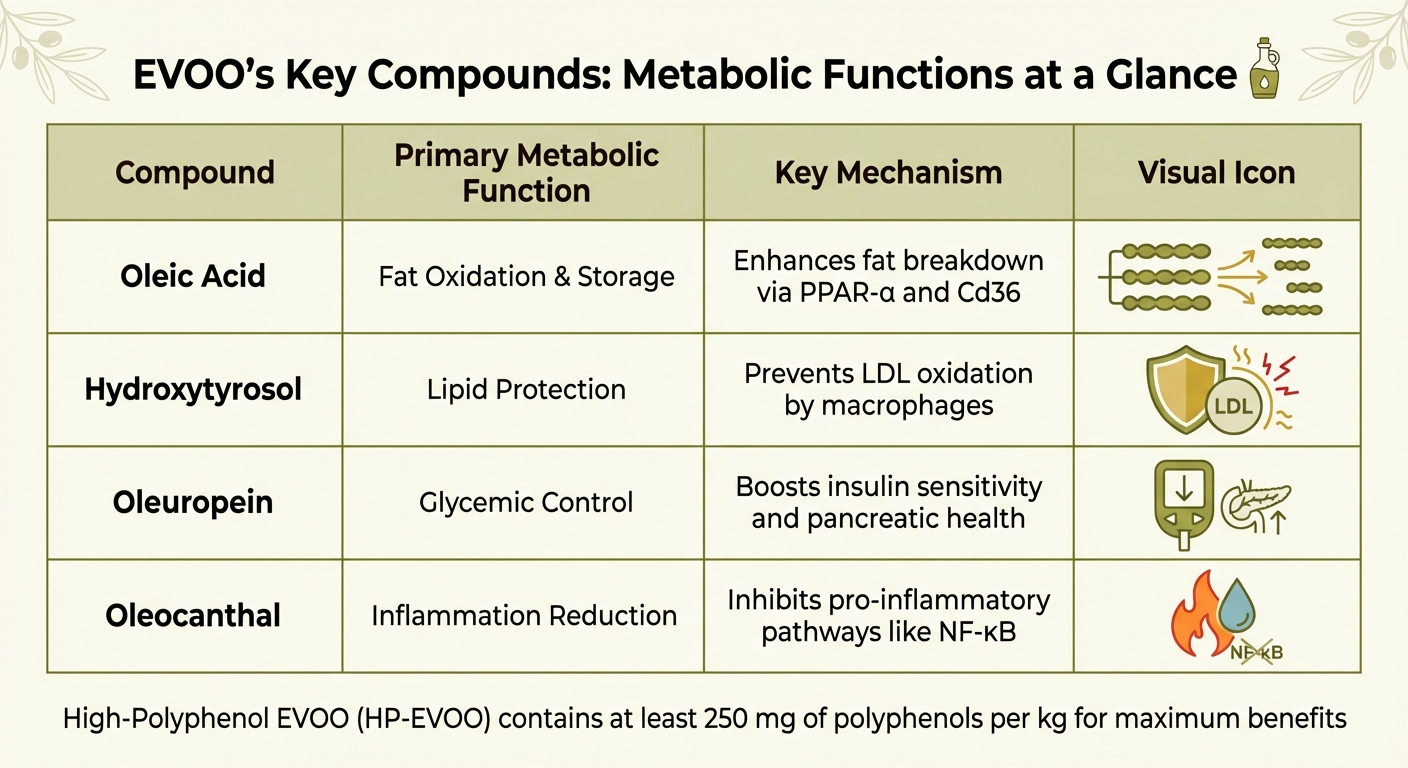
EVOO Key Compounds and Their Metabolic Benefits
Extra virgin olive oil (EVOO) offers a unique mix of fatty acids and polyphenols that play a key role in supporting your body's metabolic functions. These components, particularly oleic acid - a monounsaturated fat - and polyphenols, are known for their positive impact on energy balance and nutrient regulation. Let’s break down how these elements contribute to EVOO’s standout health benefits.
Oleic Acid and Fat Oxidation
Oleic acid, the primary fat in EVOO, directly influences how the body processes and stores fat. It improves pancreatic cell membrane fluidity, enhancing glucose response, and activates liver genes like PPAR-α and Cd36 to encourage fat breakdown while reducing fat storage. Preclinical studies have shown that replacing saturated fats with high-phenolic EVOO led to an 11.5% reduction in weight gain. This shift occurs because the body starts burning fat for energy instead of accumulating it.
Polyphenols and Metabolic Health
EVOO boasts about 25 different polyphenols, with hydroxytyrosol, oleuropein, oleocanthal, and oleacein being the most researched. These polyphenols protect cells from oxidative damage. For instance:
- Hydroxytyrosol: Prevents the oxidation of LDL cholesterol and reduces inflammation in arteries by lowering ICAM-1 and VCAM-1 expression.
- Oleuropein: Improves blood sugar control by enhancing insulin sensitivity and supporting pancreatic health.
The European Food Safety Agency (EFSA) recognizes the benefits of olive oil polyphenols, stating:
"Olive oil polyphenols contribute to the protection of blood lipids from oxidative stress." - European Food Safety Agency (EFSA)
To qualify for this health claim, olive oil must contain at least 5 mg of hydroxytyrosol (and its derivatives) per 20 g (roughly 1.5 tablespoons). High-phenolic EVOO (HP-EVOO), with at least 250 mg of polyphenols per kilogram, delivers even stronger antioxidant effects compared to standard refined oils.
Combined Effects of EVOO Compounds
Oleic acid and polyphenols don’t just work independently - they complement each other to amplify their benefits. Together, they activate the AKT pathway and boost GLUT2 expression, a liver glucose transporter vital for blood sugar regulation. Meanwhile, polyphenols suppress the NF-κB inflammatory pathway, reducing harmful inflammatory molecules like IL-6 and TNF-α. This synergy supports the body’s ability to maintain balanced energy and nutrient levels.
Here’s a quick look at how EVOO’s key compounds target specific metabolic functions:
| Compound | Primary Metabolic Function | Key Mechanism |
|---|---|---|
| Oleic Acid | Fat Oxidation & Storage | Enhances fat breakdown via PPAR-α and Cd36 |
| Hydroxytyrosol | Lipid Protection | Prevents LDL oxidation by macrophages |
| Oleuropein | Glycemic Control | Boosts insulin sensitivity and pancreatic health |
| Oleocanthal | Inflammation Reduction | Inhibits pro-inflammatory pathways like NF-κB |
Research from Konstantina Liva and colleagues at the University of the Peloponnese highlights the powerful combination of these compounds:
"HP-EVOO represents an effective preventive and therapeutic dietary approach to cardiometabolic diseases." - Konstantina Liva et al., University of the Peloponnese
Studies also show that HP-EVOO can reduce fatty buildup in the liver and improve markers of non-alcoholic fatty liver disease. In animal studies, it lowered the Non-Alcoholic Steatohepatitis (NAS) score from 4.67 to 2.0, indicating better liver health. Additionally, it helps maintain omega-3 fatty acid levels, promoting both brain and heart function.
Research on EVOO and Metabolism
Over the last decade, scientific research has consistently highlighted the metabolic benefits of extra virgin olive oil (EVOO) when consumed regularly. Studies show improvements in blood sugar control, cholesterol levels, and inflammation - key factors for maintaining metabolic health.
Blood Glucose and Insulin Sensitivity
EVOO rich in polyphenols has shown promising results in improving glucose regulation, particularly for individuals with type 2 diabetes. A 2016 study conducted by the Italian National Institute of Health and Sapienza University of Rome examined 11 overweight participants with type 2 diabetes. After a four-week period of consuming refined olive oil, participants switched to 25 mL per day (about 1.7 tablespoons) of high-polyphenol EVOO containing 577 mg of phenolic compounds per kg for another four weeks. The outcomes were noteworthy:
- Fasting plasma glucose levels dropped significantly (P = 0.023).
- Glycated hemoglobin (HbA1c), a marker for long-term blood sugar control, also decreased (P = 0.039).
- Both body weight and BMI showed significant reductions (P = 0.012 for both).
C. Santangelo, a researcher involved in the study, stated:
"Daily consumption of polyphenol-rich EVOO might improve metabolic control and circulating inflammatory adipokines profile in overweight T2D patients."
The study also observed a sharp decline in serum visfatin levels (P = 0.0021), a pro-inflammatory molecule linked to insulin resistance and metabolic syndrome. These findings suggest that swapping refined oils for high-quality EVOO could help manage blood sugar levels and lower the risk of metabolic disorders.
Cholesterol and Lipid Profile Changes
EVOO's benefits extend beyond lowering LDL cholesterol. Findings from the PREDIMED study, a large-scale nutritional trial, showed that a Mediterranean diet enriched with EVOO significantly influenced plasma metabolites tied to lipid metabolism. The results were striking:
- EVOO consumption was associated with a 30% reduction in cardiovascular disease (CVD) incidence (HR 0.70; 95% CI 0.59, 0.83).
- Total olive oil intake led to a 21% reduction in CVD risk (HR 0.79; 95% CI 0.67, 0.92).
Unlike refined olive oils, EVOO contains higher levels of polyphenols, squalene, and tocopherols, which provide distinct protective effects on lipid metabolism. Interestingly, the consumption of common olive oil (COO) was linked to a higher risk of CVD (HR 1.37; 95% CI 1.15, 1.63) in high-risk groups. Researchers identified 78 plasma metabolites associated with EVOO, including beneficial lipids like PC plasmalogens, while noting inverse associations with certain cholesterol esters.
As reported in Cardiovascular Diabetology:
"VOO consumption has been associated with better HDL functionality, indicating a potential mediating role between metabolic pathways associated with cardiovascular health and VOO consumption."
These improvements in lipid profiles, combined with EVOO's anti-inflammatory properties, create a strong foundation for enhancing metabolic health.
Inflammation and Oxidative Stress Reduction
EVOO's anti-inflammatory effects play a crucial role in improving metabolic markers. The same 2016 Italian study noted significant reductions in liver inflammation markers, with decreases in aspartate aminotransferase (AST) levels (P = 0.0056) and alanine aminotransferase (ALT) levels (P = 0.024) - enzymes commonly elevated in metabolic disorders and liver damage.
At the cellular level, EVOO polyphenols suppress inflammatory pathways by reducing molecules like visfatin, IL-6, and TNF-α. They also protect cells from oxidative stress, addressing the root causes of metabolic dysfunction instead of just masking symptoms.
The concentration of phenolic compounds is critical for these benefits. For therapeutic effects, aim for EVOO with at least 500 mg of phenolic compounds per kg, a level shown in clinical studies to produce measurable health improvements. Altogether, these findings reinforce EVOO's pivotal role in supporting metabolic health.
How to Use EVOO for Metabolic Support
Daily Intake Guidelines and Storage
Experts, including the FDA and advocates of the Mediterranean diet, suggest consuming 1 to 2 tablespoons (15 to 30 mL) of extra virgin olive oil (EVOO) daily. This amount is associated with benefits like better insulin sensitivity and improved fat oxidation. Interestingly, findings from the PREDIMED study show that consuming 4 tablespoons (50 mL) daily can lower cardiovascular risk by up to 30%.
To keep your EVOO fresh and effective, store it in a cool, dark, airtight, and opaque container at temperatures between 57–70°F (14–21°C). While refrigeration can extend its shelf life to about a year, it may cause harmless cloudiness that clears up at room temperature. Always check the harvest date and aim to use the oil within 18 to 24 months for peak freshness. Keep in mind that stale oils can lose up to 50% of their bioactive compounds over time.
Cooking Methods and Food Pairings
When cooking with EVOO, stick to low-to-medium heat methods (below 375°F/190°C) like sautéing, or use it raw in dressings or as a finishing drizzle to preserve its heat-sensitive polyphenols. With a smoke point of 410°F (210°C), EVOO is also stable enough for baking or light frying.
Pairing EVOO with certain foods can amplify its benefits. For example:
- Vegetables: Drizzle over salads with tomatoes and greens to enhance fat-soluble vitamin absorption.
- Lean Proteins: Combine with grilled fish or chicken for a balanced meal.
- Whole Grains: Add to quinoa bowls for added flavor and nutrients.
- Nuts: Use as a dressing for nut-based dishes to create a nutrient-packed combo.
EVOO-dressed salads, in particular, can improve post-meal glucose control by 20%.
Selecting Quality EVOO: Big Horn Olive Oil
To get the most out of EVOO, choose one that’s fresh and high in polyphenols, as these compounds contribute to its anti-inflammatory properties and support fat oxidation. Over time, polyphenols degrade, so freshness is key. Look for these quality markers:
- Harvest dates within the last 12 months
- Low acidity (below 0.3%)
- A fruity aroma
- Certifications like COOC or IOC
Big Horn Olive Oil offers exceptional options, such as their Ultra Premium EVOOs. Varieties like the Estate Reserve and Picual boast polyphenol counts exceeding 500 mg/kg. These oils are sourced from single estates to ensure purity, cold-pressed shortly after harvest, and lab-tested for low peroxide levels. With their international recognition for quality, Big Horn Olive Oil products can help improve insulin sensitivity and support healthier lipid profiles.
Conclusion
Extensive research highlights extra virgin olive oil (EVOO) as a standout choice for supporting metabolic health. Its unique blend of oleic acid and polyphenols works to enhance fat oxidation, improve post-meal glucose control by around 20%, and reduce inflammation by approximately 40%. Studies like the PREDIMED trial have shown that regular EVOO consumption can lead to better blood sugar levels, improved cholesterol balance, and enhanced overall metabolic performance.
Incorporating just 1 tablespoon of EVOO daily - whether drizzled over salads, paired with lean proteins, or used for low-to-medium heat cooking - can make a noticeable difference. This small habit can improve glucose regulation and boost HDL cholesterol by 5–10%.
For the best results, choose fresh, high-polyphenol EVOO. Look for bottles with recent harvest dates and certifications to ensure purity and potency.
FAQs
How can I tell if an EVOO is truly high in polyphenols?
You can spot high-polyphenol extra virgin olive oil (EVOO) by its distinct bitter and peppery taste - a classic sign of higher polyphenol levels. To ensure quality, choose oils stored in dark bottles, which help protect them from light damage. Aim for oils with polyphenol levels of at least 250 mg/kg. For the most accurate assessment, lab tests like HPLC (High-Performance Liquid Chromatography) can provide detailed measurements.
Is it better to take EVOO in the morning or with meals for blood sugar control?
Consuming extra virgin olive oil (EVOO) with meals can help regulate blood sugar levels more effectively. When taken alongside food, it enhances insulin sensitivity and promotes steadier blood sugar control. This works in harmony with how olive oil supports your metabolism, contributing to better overall health.
Can I use EVOO for cooking without losing its metabolic benefits?
Extra virgin olive oil (EVOO) is perfectly safe for cooking and retains its health benefits even when heated. The monounsaturated fats in EVOO are stable at high temperatures, meaning its nutritional properties remain intact. This makes it an excellent option for preparing meals while preserving its metabolic advantages.