

Daily Olive Oil Intake: What Studies Show
Start using olive oil daily to support heart health. Research shows that consuming 1.5–2 tablespoons of extra virgin olive oil (EVOO) each day can reduce cardiovascular risks by up to 50%. High-polyphenol EVOO delivers even greater benefits, such as lowering LDL cholesterol, improving HDL functionality, and reducing inflammation. Key findings include:
- Heart Disease Risk: Up to 48% reduction in cardiovascular events with 3.5–4 tablespoons of EVOO daily (PREDIMED trial).
- Cholesterol Improvements: High-phenolic olive oils outperform standard varieties, even at smaller doses.
- Mortality Reduction: 33% lower all-cause mortality and 50% lower cardiovascular mortality with regular EVOO use.
For maximum results, choose high-polyphenol EVOO and incorporate it into meals by drizzling on salads, roasting vegetables, or replacing butter in recipes. Even small changes can lead to long-term heart health benefits.
Research on Daily Olive Oil Intake
PREDIMED Trial: Heart Disease Risk Reduction
The PREDIMED trial, one of the most extensive studies on the Mediterranean diet and cardiovascular health, focused on individuals at high risk of heart disease to assess the effects of extra-virgin olive oil (EVOO). Participants who consumed about 3.5 to 4.3 tablespoons of EVOO daily saw a 25% to 48% reduction in the risk of cardiovascular events. This highlights the potential of EVOO as a key component of heart-healthy diets.
On the other hand, refined olive oil, which contains minimal polyphenols, provided far less cardiovascular protection. These findings emphasize the importance of polyphenol content in achieving heart health benefits.
These results have paved the way for further studies exploring the dose-dependent effects of olive oil on heart health.
EUROLIVE Study: Polyphenol Levels and Health Outcomes
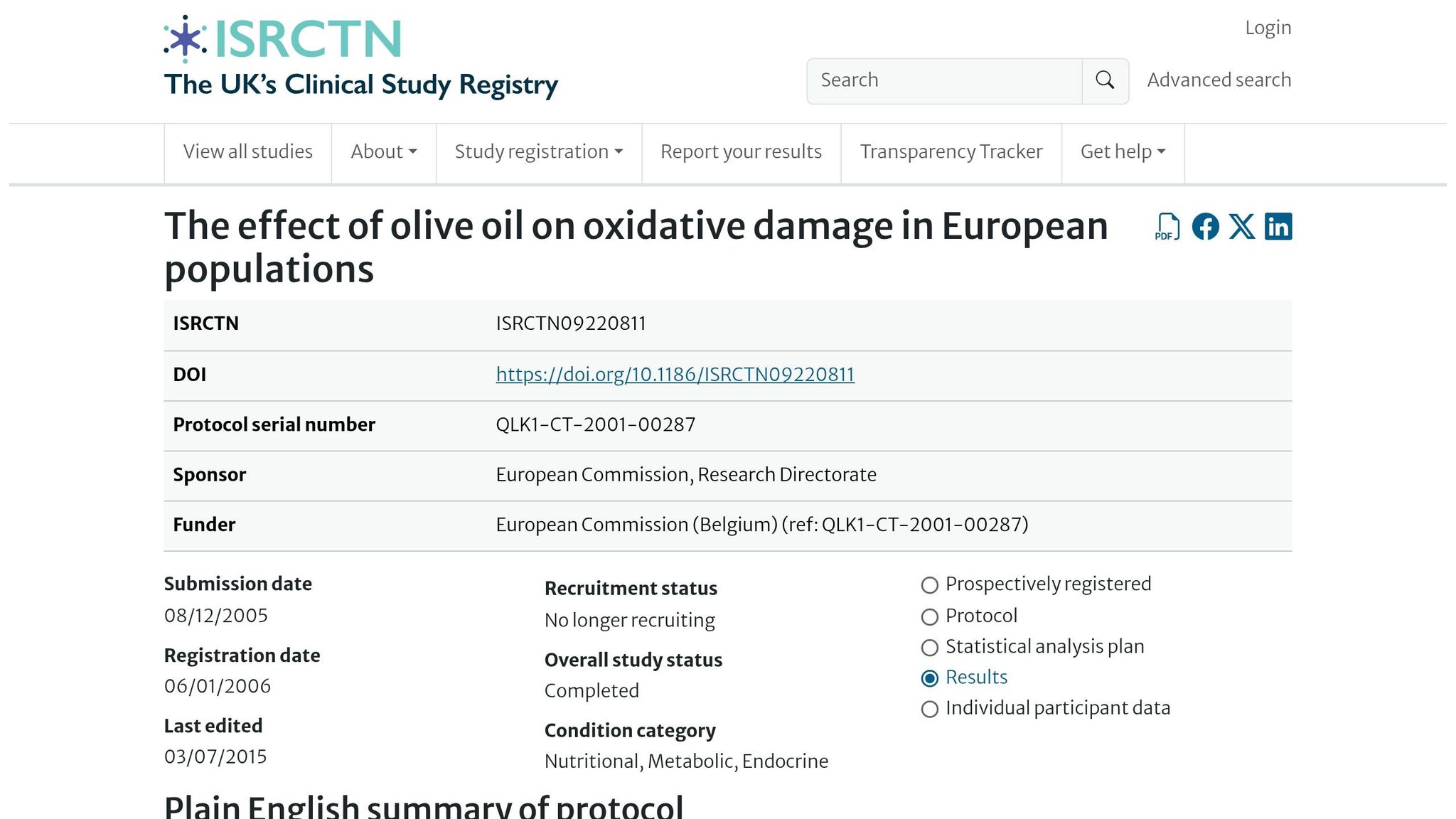
The EUROLIVE study investigated how the polyphenol levels in olive oil impact heart health markers. Participants consumed 25 milliliters (about 1.7 tablespoons) of olive oil daily for three weeks, with varying polyphenol concentrations. In one experiment, olive oil containing 366 mg/kg of polyphenols increased HDL cholesterol by 0.045 mmol/L. Another trial demonstrated that 8 grams per day of high-phenolic EVOO improved cholesterol markers more effectively than a larger dose of low-phenolic olive oil.
These findings suggest that the quality of olive oil, particularly its polyphenol content, plays a critical role in improving cardiovascular health.
Large-Scale Analysis of Heart Disease Risk Reduction
Numerous population studies have shown that regular olive oil consumption is strongly linked to lower cardiovascular mortality. For instance, the Valencia Nutrition Study reported that consuming 2 or more tablespoons daily was associated with a 46% reduction in the risk of cardiovascular disease mortality over an 18-year period. Similarly, the ENRICA study in Spain found that a moderate daily intake of virgin olive oil - approximately 1.5 tablespoons (20 grams) - was tied to a 57% lower risk of cardiovascular mortality. In contrast, common olive oil did not show significant benefits.
Recent metabolomic research adds another layer of evidence. It identified a urinary biomarker signature of eight phenolic compounds from olive oil, including hydroxytyrosol and urolithin A. Participants in the highest quartile of this biomarker signature experienced a 52% relative risk reduction for cardiovascular disease. This provides concrete evidence that polyphenol-rich olive oil offers direct heart health benefits.
Together, these studies underscore the powerful role of EVOO's bioactive compounds in promoting cardiovascular health.
sbb-itb-4066b8e
Heart Health Benefits Supported by Research
Better Cholesterol Levels and Blood Sugar Control
Extra virgin olive oil (EVOO) plays a key role in managing cholesterol by protecting HDL (the "good" cholesterol), improving cholesterol efflux, and reducing the oxidation of LDL (the "bad" cholesterol). Its polyphenols also enhance insulin sensitivity and slow down carbohydrate absorption, leading to lower fasting glucose and HbA1c levels. Studies have shown that following a Mediterranean diet enriched with EVOO can reduce Type 2 Diabetes rates by 51% compared to low-fat diets.
A clinical trial conducted in August 2025 at the General Hospital of Messinia in Kalamata, Greece, highlighted the benefits of high-phenolic EVOO. This study involved 50 hyperlipidemic patients over four weeks, comparing two EVOO doses with different phenolic concentrations (414 mg/kg and 1,021 mg/kg). The results were striking: HDL cholesterol levels significantly increased (p < 0.001), and Lipoprotein(a) levels decreased (p = 0.040). Interestingly, patients consuming a smaller dose (8 grams per day) of higher-phenolic EVOO saw more favorable changes in total cholesterol (p = 0.045) than those taking a higher dose of lower-phenolic EVOO.
Lower Inflammation and Cell Damage
EVOO doesn't just improve cholesterol and blood sugar - it actively fights inflammation. Compounds like oleocanthal and oleacein in EVOO reduce inflammatory markers and encourage macrophages to switch from a pro-inflammatory (M1) state to an anti-inflammatory (M2) state.
Its antioxidant properties are equally impressive. Polyphenols such as hydroxytyrosol and tyrosol lower intracellular reactive oxygen species (ROS) and inhibit lipid peroxidation, shielding cardiovascular cells from oxidative damage. High-phenolic olive oil also targets the NLRP3-inflammasome pathway, a major contributor to chronic vascular inflammation.
"Not all olive oils are created equal. Extra virgin olive oil retains high concentrations of polyphenols, and these compounds drive most of its cardiovascular benefits."
- George Moschonis, Professor, La Trobe University
High-phenolic EVOO can reduce total cholesterol by about 17 mg/dL in hyperlipidemic patients. While high-phenolic varieties may contain over 1,000 mg/kg of these beneficial compounds, standard refined oils often have only 50–150 mg/kg.
Immediate vs. Long-Term Health Effects
The benefits of EVOO unfold over time, with distinct short-term and long-term effects. Immediately after consumption, EVOO delivers antioxidant benefits and improves vascular function. Over weeks, it enhances HDL functionality and lowers oxidized LDL. Over months or years, it significantly reduces inflammation and lowers the risk of coronary events.
| Benefit Type (Timeframe) | Cardiovascular Outcome | Clinical Data/Markers |
|---|---|---|
| Immediate (Hours/Days) | Improved Vascular Tone & Glycemic Control | Increased nitric oxide availability, better flow-mediated dilation, and reduced post-meal glucose spikes |
| Sustained (3–4 Weeks) | Blood Pressure & Lipid Profile | 2.5 mmHg drop in systolic blood pressure, reduced oxidized LDL, and enhanced HDL functionality |
| Long-Term (Months/Years) | Disease Prevention & Inflammation | 50% lower risk of cardiovascular death; reduced C-reactive protein and IL-6 levels |
For example, consuming high-polyphenol olive oil (360 mg/kg) reduced peripheral systolic blood pressure by 2.5 mmHg and central systolic blood pressure by 2.7 mmHg in just three weeks. In individuals with abdominal obesity, it also lowered oxidized LDL by 13.5 mU/mL. Regular consumption of virgin olive oil is linked to a 33% lower risk of all-cause mortality and a 50% reduction in cardiovascular mortality.
Does Olive Oil Help Your Arteries? What New Research Really Shows | The Artery Report
How Much Olive Oil to Consume Daily
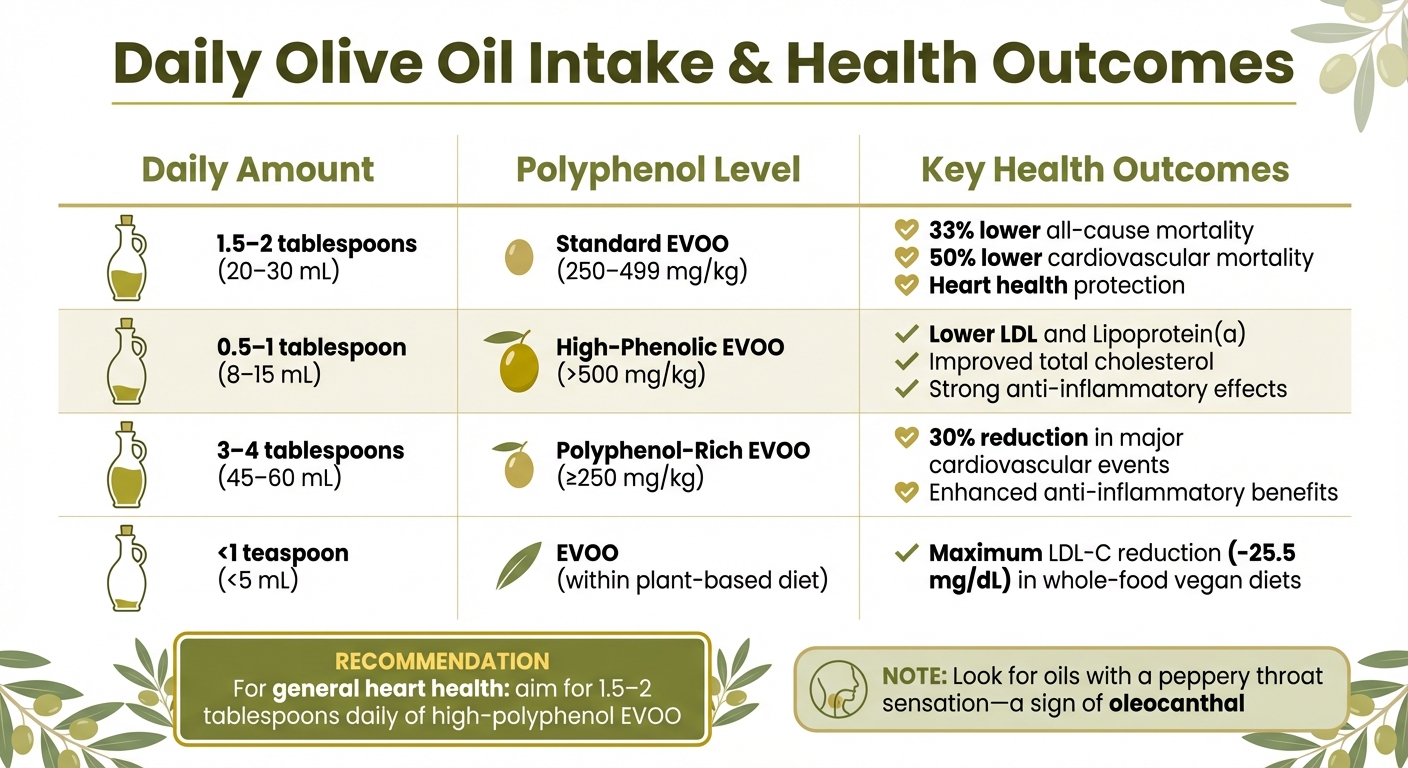
Daily Olive Oil Intake Recommendations and Heart Health Benefits
1-2 Tablespoons Per Day: What Studies Recommend
Research suggests that consuming 1.5–2 tablespoons (20–30 mL) of olive oil daily is ideal for supporting heart health. The ENRICA Study, which monitored 12,161 Spanish adults from 2008 to 2019, found that individuals who consumed about 1.5 tablespoons of virgin olive oil daily had half the risk of dying from cardiovascular causes compared to those who consumed little to none. Moderate consumption, around 1.5 tablespoons daily, has been consistently linked to lower risks of both cardiovascular and overall mortality.
For those seeking more pronounced anti-inflammatory effects, trials like PREDIMED suggest increasing intake to 4 tablespoons (60 mL) daily. Participants in the study who consumed this amount saw a 30% lower risk of stroke, heart attack, or death. However, keep in mind that 4 tablespoons of olive oil add roughly 480 calories to your diet, so it’s wise to replace other fats with olive oil to maintain calorie balance.
These findings highlight that while the amount matters, the type of olive oil you choose plays an equally crucial role.
High-Polyphenol vs. Standard Olive Oil
The benefits of olive oil aren’t just about how much you consume - it’s also about the quality. Oils rich in polyphenols, such as high-polyphenol olive oil, deliver more pronounced health benefits compared to standard or refined varieties. High-polyphenol oils typically contain at least 250 mg of polyphenols per kilogram and offer superior protection.
A clinical trial conducted in 2025 at the General Hospital of Messinia in Kalamata, Greece, illustrated this well. Participants who consumed just 8 grams of high-phenolic extra virgin olive oil (1,021 mg/kg) experienced better cholesterol improvements than those consuming 20 grams of lower-phenolic olive oil (414 mg/kg). This shows that quality can outweigh quantity - smaller amounts of high-polyphenol oil can outperform larger servings of standard extra virgin olive oil (EVOO).
Refined or "light" olive oils, on the other hand, lose most of their polyphenols during processing, leaving only trace amounts. To retain the highest concentrations of these beneficial compounds, opt for fresh extra virgin olive oil varieties, especially those made from early-harvest olives.
Daily Intake and Health Outcomes Chart
Here’s a quick breakdown of how different daily amounts and polyphenol levels relate to health benefits:
| Daily Amount | Polyphenol Level | Key Health Outcomes |
|---|---|---|
| 1.5–2 tablespoons (20–30 mL) | Standard EVOO (250–499 mg/kg) | 33% lower all-cause mortality; 50% lower cardiovascular mortality; heart health protection |
| 0.5–1 tablespoon (8–15 mL) | High-Phenolic EVOO (>500 mg/kg) | Lower LDL and Lipoprotein(a); improved total cholesterol; strong anti-inflammatory effects |
| 3–4 tablespoons (45–60 mL) | Polyphenol-Rich EVOO (≥250 mg/kg) | 30% reduction in major cardiovascular events; enhanced anti-inflammatory benefits |
| <1 teaspoon (<5 mL) | EVOO (within plant-based diet) | Maximum LDL-C reduction (-25.5 mg/dL) in whole-food vegan diets |
For general heart health, aim for 1.5–2 tablespoons daily. If you’re looking for stronger anti-inflammatory effects, up to 4 tablespoons may be beneficial, as long as you account for the additional calories. Whenever possible, choose high-polyphenol olive oils - look for oils with a peppery sensation in the throat, a sign of oleocanthal, the compound linked to anti-inflammatory properties.
Adding Olive Oil to Your Daily Meals
Simple Ways to Use Olive Oil Every Day
Incorporating 1.5–2 tablespoons of olive oil into your daily meals is easier than you might think. Whether you use it cold or in cooking, olive oil offers a host of health benefits. Cold applications help preserve its polyphenols, while cooking with olive oil can provide heart-health advantages when used instead of animal fats.
Kick off your morning by drizzling extra virgin olive oil (EVOO) on avocado toast or mixing it into scrambled eggs for a flavorful boost. At lunch, toss your favorite salad with a tablespoon of olive oil, some lemon juice, and fresh herbs - this cold use helps retain the oil's beneficial natural compounds. Dr. Frank Hu highlights the value of olive oil as a healthier alternative:
"Olive oil is a much healthier replacement for dietary fats, especially animal fats."
For dinner, swap out butter or lard by using olive oil to sauté vegetables or roast chicken. To add even more flavor and benefits, drizzle a bit of fresh EVOO on your dish just before serving. While heat can reduce some polyphenols, using olive oil to replace 10 grams of margarine, butter, mayonnaise, or dairy fat daily has been linked to an 8% to 34% reduction in mortality risk.
Another simple way to meet your daily olive oil goal is to dip whole-grain bread in high-quality olive oil before meals. This method not only preserves the oil's delicate antioxidants but also adds a touch of indulgence to your routine. By making these small changes, you can easily incorporate olive oil into your diet and enjoy its cardiovascular benefits.
Why Choose Big Horn Olive Oil
To maximize the benefits of these tips, consider using high-quality olive oil like those from Big Horn Olive Oil. Their extra virgin olive oils, such as the Estate Reserve EVOO and Picual Extra Virgin Olive Oil, are cold-pressed within two hours of harvest and delivered fresh within three months. This ensures the oils retain their beneficial compounds and deliver the heart-health advantages discussed earlier.
For those seeking even higher polyphenol content, the Coratina Extra Virgin Olive Oil stands out with its strong anti-inflammatory properties. Julie Cantrell, MD, Medical Director at OhioHealth Cardiac Rehabilitation, explains:
"Extra-virgin olive oil is higher in polyphenols and would be expected to have greater health benefits than refined olive oil."
When shopping for olive oil, look for labels like "first-pressed" or "cold-pressed" to ensure you're getting unrefined oil packed with natural antioxidants. Big Horn Olive Oil's commitment to quality and freshness means you'll be using the same type of EVOO that research links to cardiovascular benefits - not the heavily processed "light" or "pure" olive oils that lose most of their nutrients during refining.
Conclusion
What Research Shows About Olive Oil and Heart Health
Incorporating 1.5–2 tablespoons of extra virgin olive oil (EVOO) into your daily routine can significantly lower cardiovascular risk. Research conducted in the United States has shown that for every 10-gram increase in EVOO consumption, there's a 10% reduction in cardiovascular disease risk and a 7% decrease in mortality risk. Studies like the PREDIMED trial have further highlighted the link between EVOO and reduced major cardiovascular events and mortality.
These benefits are largely due to EVOO's rich polyphenol content - 161 mg/kg compared to just 14.7 mg/kg in refined oil. Polyphenols are known to combat chronic inflammation, improve cholesterol levels, and promote healthy blood vessel function. Replacing saturated fats with olive oil plays a crucial role in achieving these health benefits. This evidence underscores the value of making EVOO a regular part of your diet.
How to Start Using Olive Oil Daily
Incorporating EVOO into your meals is easier than you might think. Start with 1–2 tablespoons a day by using it to dress salads, drizzle over roasted vegetables, or as a substitute for butter in your recipes. For the best results, opt for Ultra Premium EVOO, such as the offerings from Big Horn Olive Oil, which are cold-pressed within two hours of harvest to ensure maximum freshness and polyphenol levels.
As Dr. Julie Cantrell emphasizes:
"Health care professionals should recommend that people limit intake of animal fats and solid vegetable fats and replace them with at least 1/2 tablespoon daily of olive oil".
Making this simple change can have a meaningful impact on your heart health.
FAQs
How do I know if an olive oil is high in polyphenols?
To find olive oil rich in polyphenols, check for labels such as "high-phenolic" or "early harvest" on the bottle. Opt for fresh, high-quality extra virgin olive oil (EVOO) that was harvested within the last 12–18 months. The combination of freshness and quality plays a crucial role in maintaining higher polyphenol content.
Is it safe to cook with extra virgin olive oil every day?
Yes, using extra virgin olive oil in your daily cooking is completely safe and can even boost the nutritional quality of your meals, depending on how you prepare them. Packed with healthy fats and antioxidants, it’s a smart and nutritious option for regular use.
Can olive oil benefits still happen if I need to lose weight?
Yes, olive oil can still be part of your diet if you're aiming to lose weight. Studies suggest that consuming about seven grams per day is associated with less long-term weight gain and may help with managing weight. Adding olive oil to a balanced diet not only supports heart health but also contributes to overall wellness without interfering with your weight loss goals.